How to Start a Spaza Shop in South Africa
Learn how to start a spaza shop, stock the right products, accept card payments, and boost daily income with iKhokha’s tools for small business owners.
Table of Contents
- Introduction
- What is a spaza shop?
- How spaza shops contribute to South Africa’s economy
- What do you need to start a spaza shop?
- How to start a spaza shop from home
- What you need to run a successful spaza shop
- What should you stock in a spaza shop?
- How much can a spaza shop make in a day?
- Common challenges facing spaza shops
- Smart ways to grow your spaza shop
- Do you need to register a spaza shop?
- Our final tips for long-term success
- FAQs about starting a spaza shop
- What is a spaza shop?
- How do I start a spaza shop in South Africa?
- What should I sell in a spaza shop?
- Do I need to register a spaza shop?
- How much can a spaza shop make in a day?
A spaza shop is one of the most familiar small businesses in South Africa. It’s the place people walk to when they need bread, milk, airtime, electricity, cooldrink, snacks or a few basics before supper.
If you’re thinking about starting a spaza shop, the idea is simple enough to understand, but the daily running takes planning. You need the right stock, a safe space, clear prices, steady suppliers, a way to take payments and records that show what’s actually selling.
This guide explains what a spaza shop is, how to start one from home, what to stock, when to register, how much a spaza can make, and how to grow it without losing track of your money.
What is a spaza shop?
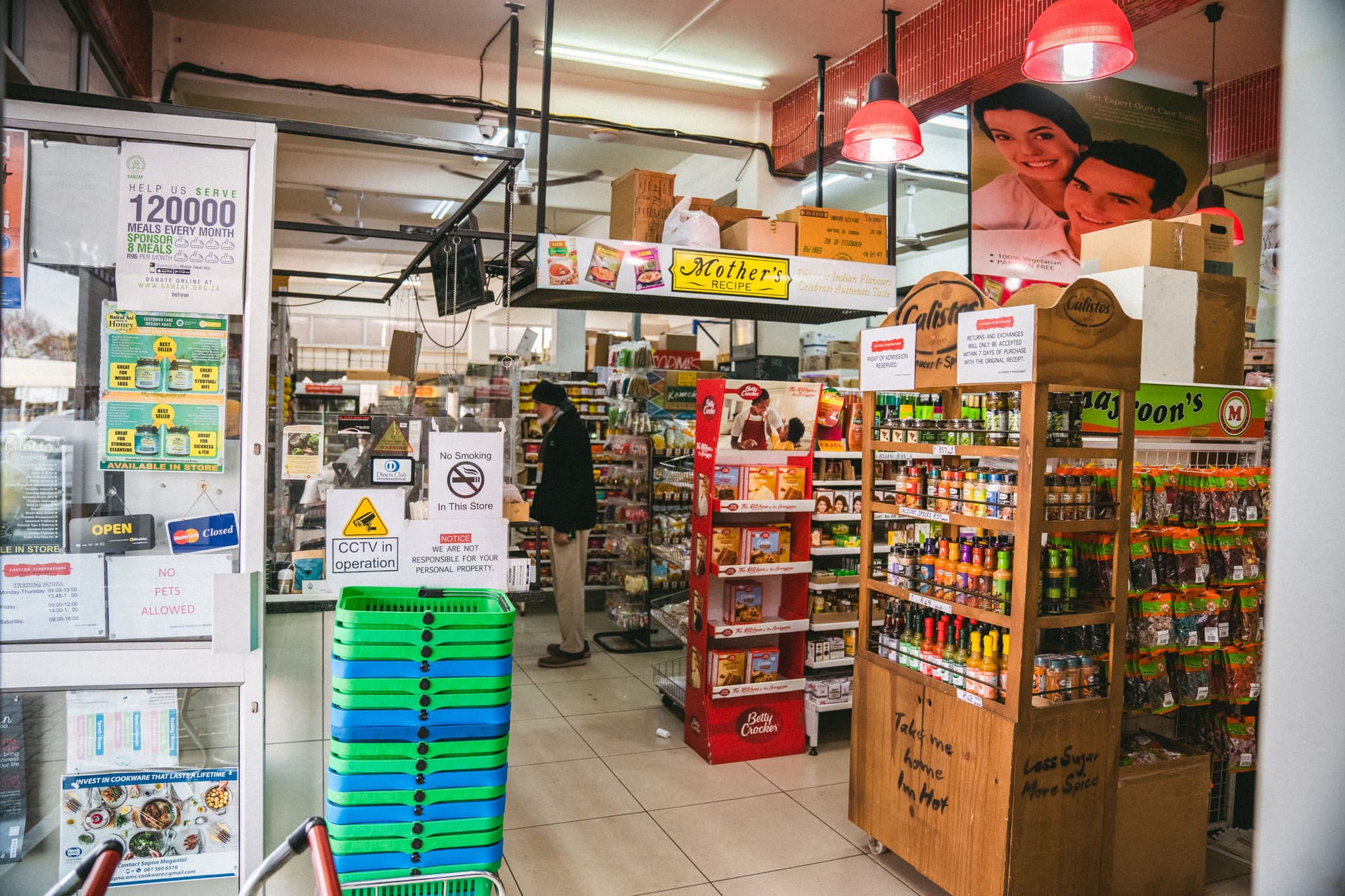
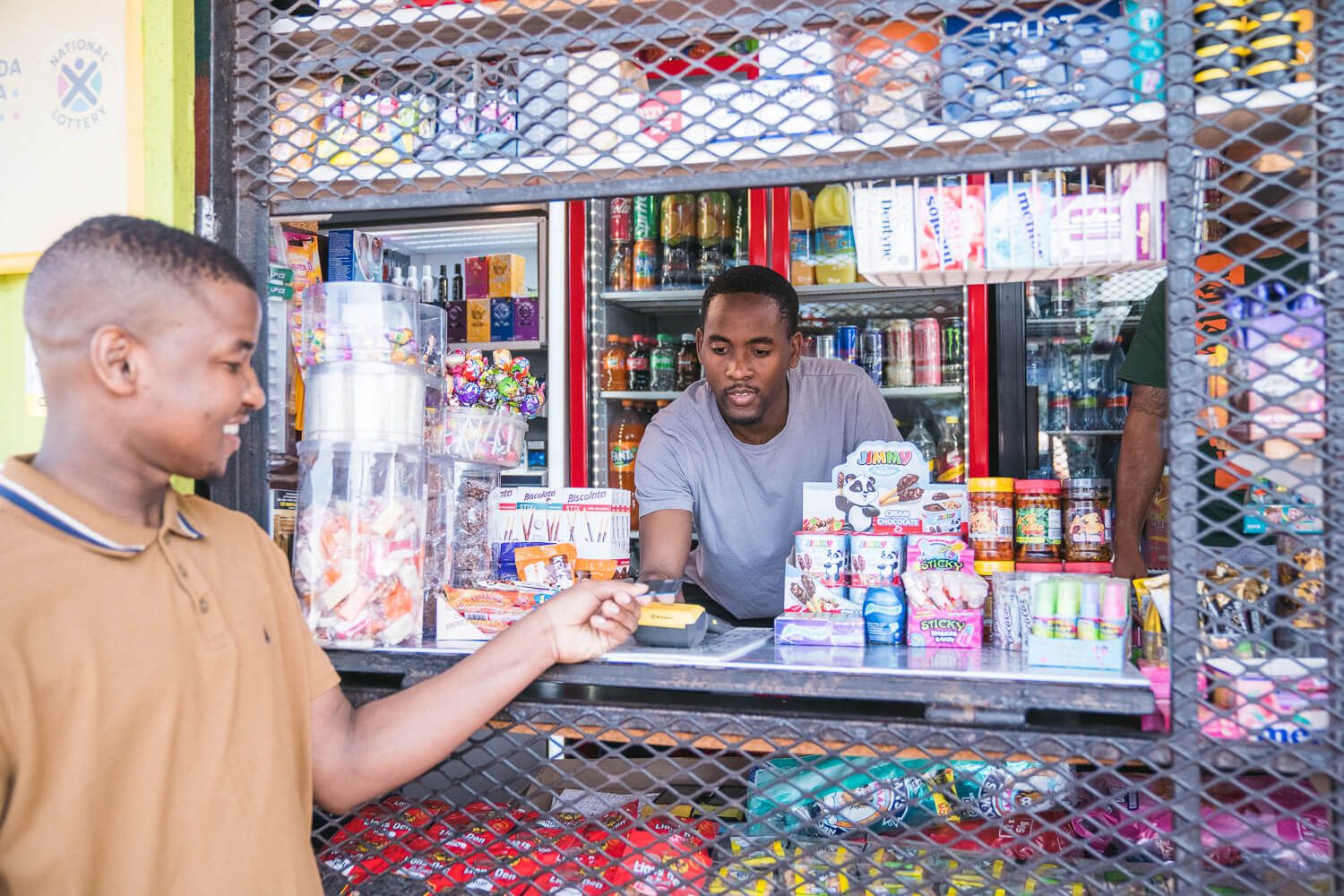
A spaza shop is a small retail shop that usually serves people in a local neighbourhood, township or rural area. Many spaza shops run from a home, garage, container, room or small street-facing space, selling everyday items like bread, milk, snacks, airtime, electricity and household basics.
Spazas play an important role in township and rural economies. They create local jobs, offer fast service, and save customers money and time compared to bigger stores. Over time, they’ve evolved from basic stalls into smart businesses.
While cash is still common, more owners now accept card payments, track sales through the iKhokha App, and use tools to manage cash flow. This shift makes it easier to compete, stay organised, and grow profits.

How spaza shops contribute to South Africa’s economy
Once you understand what a spaza shop is and how it fits into everyday community life, it becomes clear just how much these stores contribute to the country’s economy. They may look small on the outside, but together they form one of the strongest pillars of South Africa’s informal retail sector.
Research into township and informal retail shows just how much money moves through local shops every year, with spaza shops making up a major part of that activity. Because most purchases happen close to home, the money circulates within the neighbourhood, helping families, micro-entrepreneurs and local service providers earn a living.
Spaza shops also support jobs in ways that bigger retailers often can’t. Many owners employ assistants, rely on local delivery drivers and buy stock from smaller distributors, bakeries and wholesalers. This creates a chain of opportunity that keeps income flowing through the community rather than out of it.
There’s also a growing shift toward digitisation. More owners now accept card payments, track their daily sales digitally and use data to make better decisions about stock and pricing. This move toward digital record-keeping strengthens financial visibility, helps reduce losses and supports broader small business development. It also improves access to financial support options that were previously out of reach.
All of this adds up to a sector that doesn’t just serve customers, but actively strengthens the wider economy through job creation, local spending and better financial participation.
What do you need to start a spaza shop?
To start a spaza shop, you need a safe selling space, basic shelving, starter stock, reliable suppliers, clear prices, a way to take payments and a simple record of daily sales.
Most spaza shops start small. Bread, milk, eggs, snacks, airtime, electricity, cooldrinks, maize meal, sugar, soap and household basics are often easier to test than a big range of products. The goal at the beginning is not to stock everything. It’s to learn what your customers buy often, then restock those items before they run out.
How to start a spaza shop from home
Many spaza shop owners start from home because it keeps costs lower. A front room, garage, window counter or container can work if the space is safe, visible and easy for customers to reach.
Start with the basics:
- Choose a space where stock can be kept safely
- Put up simple shelves or a counter
- Start with fast-moving items people need often
- Set clear prices
- Tell neighbours and regular customers that you’re open
- Keep a daily record of what you sell
- Decide how customers can pay
A handwritten sign, WhatsApp status or word of mouth can go a long way at the beginning. People nearby need to know what you sell and when you’re open.
What you need to run a successful spaza shop
Once your shop is open, the work becomes about consistency. Customers come back when they know you have the basics in stock, your prices are clear, and service doesn’t take long.
Focus on the small habits that make the shop easier to manage:
- Keep shelves stocked with the products people buy most
- Check prices regularly so customers don’t get different answers
- Keep a daily record of what sells
- Watch which items run out quickly
- Reduce errors during busy times
- Make it easy for customers to pay
These are the same basics you’ll find in larger retail and supermarket environments too. The difference is that in a spaza shop, you’re often doing it with fewer hands and less time.
A simple record-keeping system helps you see what’s worth restocking and what is tying up your money. It can start with a notebook, spreadsheet or sales tool, as long as you use it consistently.
What should you stock in a spaza shop?
Start with products people buy often. These are usually small, regular purchases that save customers a trip to a bigger store.
Common spaza shop stock includes:
- Bread, milk, eggs and sugar
- Cooldrinks, snacks and sweets
- Maize meal, rice and cooking oil
- Airtime, data and electricity
- Soap, toilet paper and basic household items
- Cigarettes, where legally allowed
- Small convenience items customers ask for often
Don’t overbuy at the start. Stock that sits too long ties up your money. Watch what sells every day, listen to what customers ask for, and build your range slowly.
How much can a spaza shop make in a day?
A small shop may bring in a few hundred rand a day, while a busy shop in a strong location can bring in much more. The number depends on foot traffic, stock, pricing, margins and how often customers come back.
While profits vary, good record keeping and smart stock management can help you:
- Avoid waste and deadstock
- Reorder only what sells
- Understand your real margins
- Set clear targets to increase your income month-on-month
- Plan for seasonal surges like month-end or public holidays
Use your iK Dashboard to track your sales over time and spot opportunities to optimise pricing or introduce new products.
Common challenges facing spaza shops
Every business comes with its own set of challenges, and neighbourhood retail is no different. No matter if you’re just starting out or running a busy store, it’s normal to face a few bumps along the way.
Some common issues faced:
- Stock theft
- Cash-only limitations
- Price disputes
- Power cuts or equipment interruptions
- Limited access to wholesale pricing or bulk stock
Smart ways to grow your spaza shop
Once your business is up and running, the next step is scaling it to meet growing demand. Small changes can lead to big improvements in both revenue and efficiency. Here, we’ll outline practical steps you can take to increase your shop’s performance over time.
Want to take your shop to the next level?
Start with small wins:
- Upsell: Offer deals like "Buy 2 for R10" on snacks
- Expand your product mix: Add electricity, DStv payments or baked goods
- Track performance: Use your iK Dashboard to spot trends and plan smarter buys
- Offer customer accounts or loyalty-based discounts
- Improve service speed with the Catalogue feature in iK Flyer
- Reinvest wisely: Use profits to add shelving, improve signage or extend trading hours
As your customer base grows, so can your range, space and even location. Growth doesn’t have to happen all at once. Small changes, like better stock tracking, clearer prices and faster service, can make the shop easier to run.
Do you need to register a spaza shop?
Many spaza shops start small, but registration becomes more useful when you want to work with suppliers, open a business bank account, apply for support, separate business money from personal money, or grow the shop properly.
There may also be local rules to check, especially around trading permits, food items, cigarettes or other regulated products. If registration is your next step, our guide on how to register a spaza shop explains the process in more detail.
You’ll also need to keep basic records of what comes in and what goes out, because tax may apply as the business grows.

Our final tips for long-term success
Keeping a neighbourhood shop running well for years comes down to more than effort. You also need to stay organised and keep an eye on what’s changing around you.
If you’re looking to open a local store or improve the one you’re running, it really comes down to focusing on these fundamentals:
- Keep track of everything
- Use tools that save you time
- Stay connected to your customers
- Keep your store stocked with what people actually buy
- Train staff to serve quickly and professionally
- Keep records clean so registration is easier when you’re ready

FAQs about starting a spaza shop
What is a spaza shop?
A spaza shop is a small retail shop that serves people in a local neighbourhood, township or rural area. Many sell everyday items like bread, milk, airtime, electricity, snacks, cooldrinks and household basics from a home, garage, container or small shopfront.
How do I start a spaza shop in South Africa?
Start with a safe selling space, basic shelves, fast-moving stock, clear prices, reliable suppliers and a simple way to track sales. Many owners begin from home, test what customers buy most, then grow the range once they understand demand.
What should I sell in a spaza shop?
Start with items people buy often, like bread, milk, eggs, snacks, cooldrinks, airtime, electricity, maize meal, sugar, soap and small household basics. Watch what sells each day before adding too much stock.
Do I need to register a spaza shop?
You may not need to register before your first sale, but registration can help when you want a business bank account, supplier accounts, financial support, cleaner records or a more formal business setup. Also check municipal rules and trading permit requirements in your area.
How much can a spaza shop make in a day?
Daily turnover depends on location, stock, pricing and customer traffic. A small spaza shop may make a few hundred rand a day, while a busy shop in a strong location can make much more. Profit depends on margins, stock control and running costs.
Related Articles




Most recent articles
View all
How to Start a Recycling Business
Business Ideas for Beginners: Services That Solve Everyday Problems