How to Start a Recycling Business
Learn how to start a recycling business with small capital. From finding buyers to building a collection route, here is a practical guide for SA entrepreneurs.
Table of Contents
- Introduction
- Find recyclable waste in your area
- Choose your first material to collect
- Find buyers before you collect in bulk
- Build a reliable pickup schedule
- Keep transport costs under control
- Sorting and storage basics
- When to register your recycling business
- Payments and invoicing
- How to grow without losing control
- Common challenges in South Africa
- Before you start: a quick checklist
- Final thoughts
In many South African communities, recycling isn’t something new. Long before it became part of global conversations about going green, people were already collecting cardboard, cans, and scrap metal because they understood something simple: waste still has value.
You see it in everyday moments like someone pushing a trolley filled with cardboard, a shop owner keeping boxes aside instead of throwing them away, or a workshop that knows someone will collect their metal off-cuts at the end of the week. These small routines have helped people earn a living while keeping useful material out of landfills.
A recycling business builds on the same logic as many other local opportunities found in our communities: waste keeps coming, and much of it still has value. Shops unpack stock every day, offices throw out paper and packaging, and households generate bottles and cans week after week. The problem is that many places don’t have a reliable, affordable way to deal with it, so it piles up, gets dumped, or ends up in landfill even when it still has value.
If you are thinking about starting a recycling business, it helps to see it as both a service and a supply chain. For those looking for a deeper look at the full startup process, understanding how to move materials from a supplier to a buyer is the first step in building a sustainable operation.
You don’t need a lot of space or expensive equipment to begin. Many recycling businesses start small, with one vehicle and a short collection route. It is often a great way of starting with very little capital and growing steadily as you find more suppliers. The important part is understanding what materials are available near you, where you can sell them, and how you will collect them consistently.
Once those basics are in place, the business can grow steadily over time.
Find recyclable waste in your area
A recycling business works best when it fits into the activities of the area that you’re hoping to service. Before you collect anything, spend some time noticing what type of waste is actually available.
Over the course of a week, pay attention to patterns. For example:
- Look behind retail shops and wholesalers where cardboard boxes pile up.
- Notice what offices throw away after deliveries.
- Check what comes out of workshops or small factories.
- Keep an eye on busy takeaway spots and events.
- Illegal dumping areas can also tell you something important - they often show what people struggle to get rid of.
The goal here is not to collect everything. It’s to understand where materials appear regularly so you can build a simple collection route that makes sense.
Many successful recycling businesses start with just a few collection points close together. A short, reliable route often works better than driving across the city chasing small loads.
Choose your first material to collect
When people first get into recycling, they sometimes try to collect every type of recyclable material at once. That usually creates more work than profit.
A better approach is to start with one or two materials that are easy to collect and easy to sell. Common starting points include:
Cardboard: Cardboard is widely available around retail stores, wholesalers, and office parks. It can bring steady income, but it must stay dry and you will need space to store it.
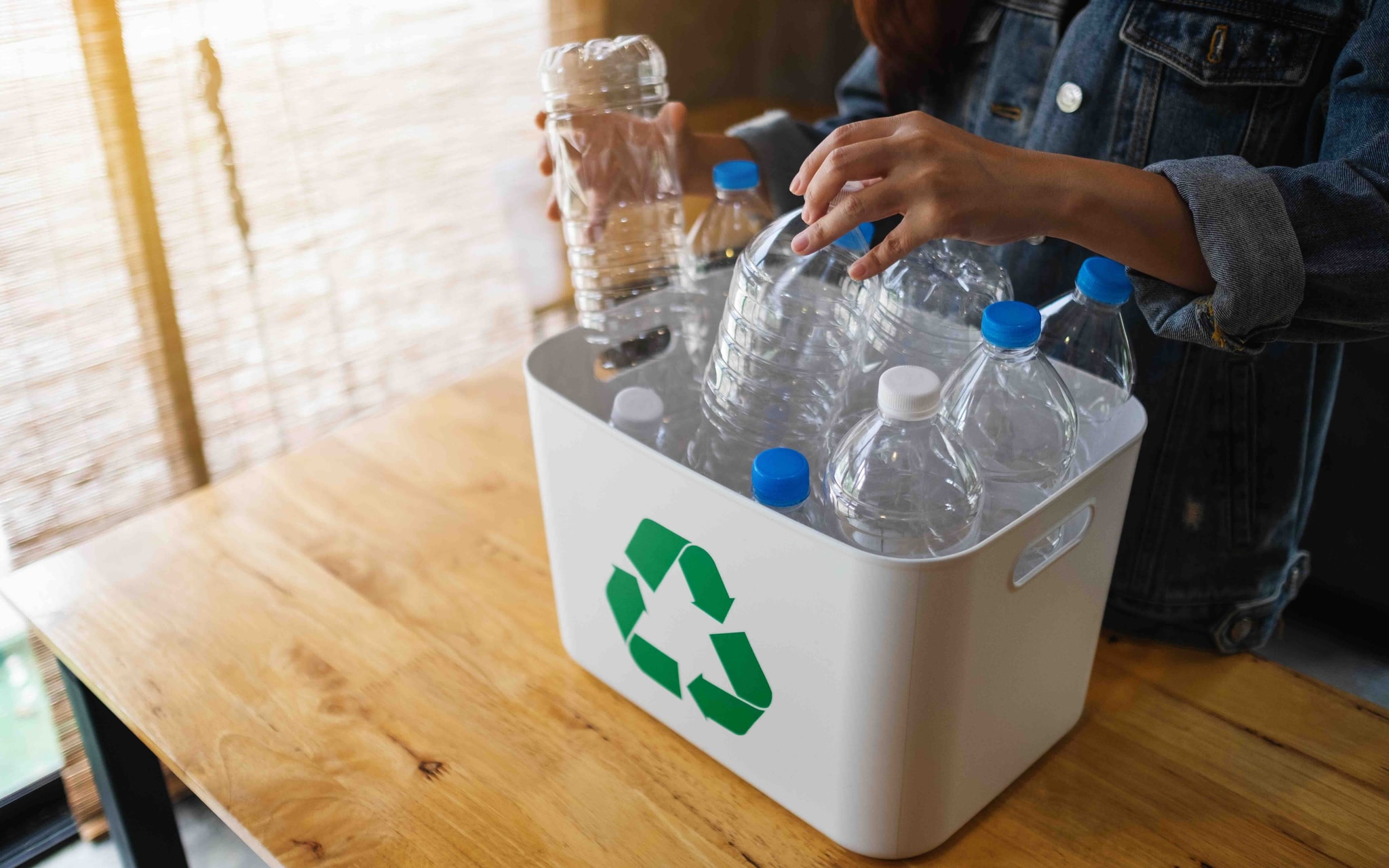
Plastic: Plastic can work well if you sort it properly and keep it clean. Mixed or dirty plastic takes time to separate and may be rejected by buyers.
Scrap metal: Metal often pays more per kilogram, but you need to think about safety and storage, especially because metal can attract theft.
The best material to start with isn’t always the one with the highest price. It’s the one you can collect regularly and sell without too much difficulty. Consistency is what turns recycling into a real business.
Find buyers before you collect in bulk
Another important step is understanding where your materials will go.
Recyclable materials are usually sold to buy-back centres, depots, or recycling processors. These buyers pay based on the weight, type, and quality of the material.
Before collecting large amounts, speak to a few buyers near you and ask:
- What materials they accept
- How they want the material sorted
- Minimum load sizes
- How often prices change
- When they pay
Prices for recyclable materials can change often. Having more than one buyer option can help protect your business if one depot is full or offering a lower price.
Build a reliable pickup schedule
Most people who give you recyclable materials are not thinking about recycling as a business. They simply want a convenient way to clear space and avoid waste piling up. This is why reliability matters so much.
If a shop owner knows you will collect their cardboard every Tuesday morning, they are more likely to keep it separate for you. When businesses trust that you will show up on time, they often become long-term suppliers.
Start with a small number of pickup points and choose a regular schedule you can stick to. Over time, this routine becomes the backbone of your recycling business.
You may also decide which model works best for you:
- Free collection: You collect materials at no cost and earn money by selling them to buyers.
- Paid collection: Some businesses may prefer to pay a small fee for reliable waste removal.
Both options can work, depending on your area and your clients.
Keep transport costs under control
Keeping track of your income and expenses is also important. Recycling businesses can have tight margins, so it helps to be disciplined with managing your business cash flow by monitoring costs like fuel, labour, and vehicle repairs.
To manage this, try to keep your routes organised and efficient:
- Group pickups in the same area on the same day
- Aim for fuller loads instead of many small trips
- Plan around your vehicle’s capacity
- Allow enough time for loading and unloading
Many recycling businesses start with a bakkie, trailer, or small truck. Whatever vehicle you use, plan your day carefully so the work stays safe and profitable.
Sorting and storage basics
Recycling buyers pay more for materials that are clean and properly sorted. Mixed or dirty loads are often rejected or discounted, which means extra work and lower income.
Simple systems can make a big difference:
- Keep cardboard dry and off the ground
- Separate plastics according to buyer requirements
- Store metal securely
- Label piles or bags clearly
You don’t need a complicated setup, but you do need consistency. Good sorting protects the value of the materials you collect.
When to register your recycling business
Many recycling businesses begin informally while the owner tests their route. Once the work becomes regular, formalising your setup can make things easier. Large businesses and depots often prefer to work with registered suppliers who can provide invoices and clear records.
Businesses often prefer to work with suppliers who can provide invoices and clear records. Registration can also help you open a business bank account and access funding or supplier agreements in the future.
Keeping track of your income and expenses is also important.
Recycling businesses can have tight margins, so it helps to monitor costs like:
- Fuel
- Bags and gloves
- Labour
- Vehicle repairs
- Dump fees for non-recyclable waste
Clear records help you understand whether the business is growing sustainably.
Payments and invoicing
As your recycling business grows, you may start charging collection fees or working with businesses that prefer digital payments. Simple tools can help you manage payments without adding too much admin.
For example:
- iK Pay Link allows you to send a payment link via WhatsApp or SMS
- iK Invoice lets you send an invoice with a built-in pay link
- iK Tap on Phone allows you to accept card payments directly from your phone
These options can make it easier to receive payments and keep clear records of transactions.
How to grow without losing control
Growth in recycling often comes from improving your systems rather than simply adding more clients.
Some ways to grow steadily include:
- Collecting more frequently from reliable suppliers
- Improving sorting quality so materials earn higher prices
- Adding one new material once your storage and sorting are organised
- Adding a second route once your first route runs smoothly
Strong routines help keep your business stable as it grows.
Common challenges in South Africa
Recycling businesses in South Africa face a few realities that are helpful to plan for.
These may include:
- Price changes: Material prices can fluctuate depending on demand.
- Theft risk: Scrap metal in particular can attract theft, so secure storage is important.
- Weather: Rain can quickly damage cardboard and paper if they are not protected.
- Inconsistent suppliers: Clear communication and regular schedules help maintain reliable supply.
- Rejected loads: Materials that are mixed or dirty may be rejected by buyers.
Planning ahead for these challenges can make your business more resilient.
Before you start: a quick checklist
Before starting your recycling business, make sure you have a few basics in place:
- Choose one or two materials you can collect consistently
- Confirm where you will sell the materials
- Create a simple pickup route you can maintain every week
- Organise basic sorting and storage
- Track your costs carefully
- Decide how you will invoice and receive payments
Starting small and staying organised can make a big difference.
Final thoughts
Learning how to start a recycling business in South Africa is not about having the biggest operation or the newest equipment.
It begins with recognising something many people in our communities already understand: materials that look like waste can still hold value.
With a clear route, a reliable collection schedule, and good sorting habits, this kind of business can grow into a steady source of income while helping useful materials stay in use for longer. Keep your setup manageable, stay consistent, and grow as demand becomes more reliable.