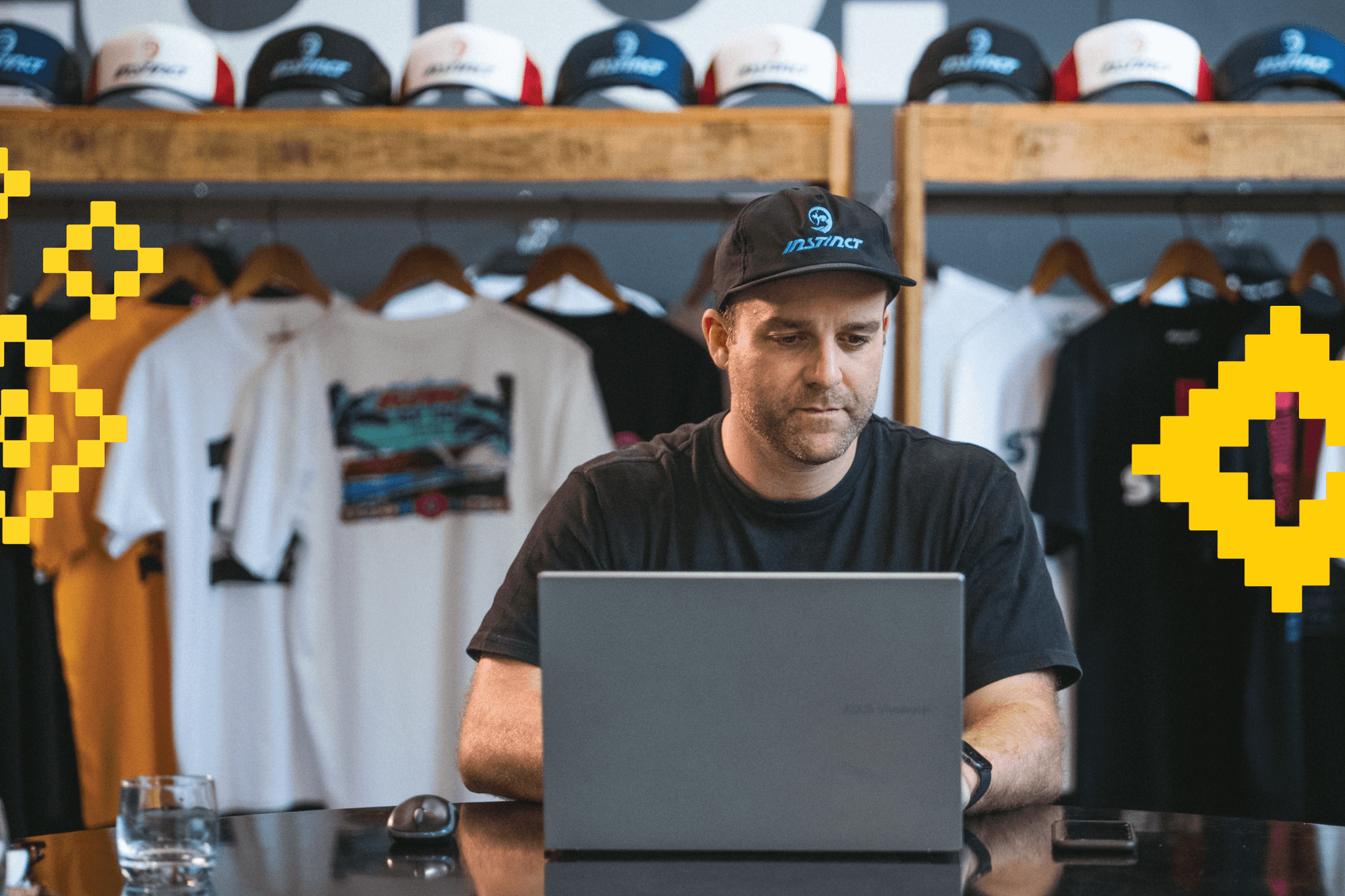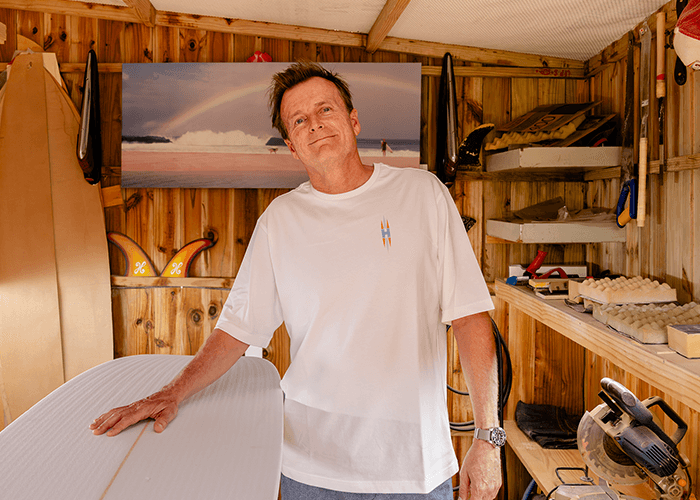
Surfboards, streetwear and a flaming jumpsuit. Laurie Holmes unpacks the wild journey behind Holmes Brothers and building a South African icon.
Table of Contents
- Introduction
- How did you start your business; what was happening in your life at the time?
- At what point did this become a business idea?
- Before the success we see today, what did your business look like?
- What was the business like back then?
- How have you overcome other challenges in your business?
- Your brand is proudly South African. Why?
- What has been the toughest challenge for Holmes Brothers?
- How has iKhokha changed the way you do business?
- What do you want people to experience when people walk into your shop?
- What do you think your journey can teach upcoming entrepreneurs?
What started with a boy trying to express his creativity through surfboards, has turned into one South Africa’s leading surf-lifestyle brands. Laurie Holmes has gone from shaping boards in his parents’ garage to building Holmes Brothers, an iconic fashion collection built on laid back African surf roots. It's been a journey full of challenges, passion and bold ideas, proving that even through the chaos, Mzansi businesses are made to make it.
We sat down with Laurie to chat about the brand’s evolution, from surfboards to stealing the spotlight at Fashion Week. Spoiler: it involves a man in a flaming jumpsuit.
How did you start your business; what was happening in your life at the time?

I was quite a strange kid; I was my own my own mission from a very early age. I kept going to order surf boards and the guy would just laugh at me because I wanted these alternate boards which they were just not prepared to shape. Eventually, I figured out how to make my own boards in my parents’ garage. It was absolute chaos. There would be fibre glass on my father’s car, all over the dog, everywhere. That’s where it all started.
At what point did this become a business idea?
We had developed a logo for the surfboards. But people would ask, “I’m buying a surfboard from you, can’t I also get a T-shirt?”. And it just evolved from there.
At that point, I was also modelling for some pocket money and got to meet really interesting people in the fashion industry. And it was just a natural progression from the surf-vibe to clothing.
Before the success we see today, what did your business look like?
When we started, in the 90’s, we couldn’t go into surfwear because the big surf brands owned that space. So, we started as an African streetwear brand.
For our first fashion show, we didn’t have a clue what was going on in the fashion industry. But we decided that our male models would walk down the runway and then instead of walking back they would just reenact death scenes at the end of the runway. The girls walked down, stepping over the bodies and we finished the show with a guy in a flaming jumpsuit who threw ‘death cards’ onto the bodies like in the movie, Apocalypse Now. It was absolutely crazy!
I then went to the press lounge, but I get this frantic phone call from my brother. He’s like, “Bru, you’ve got to get backstage, I’ve got Vogue New York, Elle Decoration, Drapers Record and the likes here”. I rushed backstage and all the people wanted to interview us. It put us on the map.
That’s when we started to grow Holmes Brothers and open our own store and organically grow the brand over the years.
What was the business like back then?

Well, we didn’t have a business, that took years to learn. We were known but lacked production and capital. See, when you start nobody will make your product because you’re making 20 units. You’ve got to get up to 200 or 300 units before it can be made properly. That’s the biggest challenge in the industry – it’s to scale quickly so you can get your products in the factories.
But we were lucky, there was a gap where we could make stuff locally and establish ourselves.
How have you overcome other challenges in your business?
Six years ago, we’d grown as much as we could. We were manufacturing, doing retail, designing and the wholesale side of the business. But had become too big an animal to run and finance.
I called my mentor at Sector Apparel and said, “I can’t do this anymore. I just can’t maintain this whole animal; it’s too out of control.”
He said to us, “I’ll take the manufacturing off your hands.”
That’s when we moved everything to Sector. They do all our manufacturing, handle wholesale and they handle our website for us, which freed us up to grow the retail and design side.
Your brand is proudly South African. Why?

We love South Africa. We love living here, and we want to support other South African businesses. On the design side, it naturally just comes through: Where we live; the different cultures here. It’s a melting pot; we’ve got so much to tap into.
Manufacturing-wise, we try to make as much as we can, locally. But there are technical things, that we can’t make in South Africa. So, some of it we make offshore, but as much as we can, we produce locally.
What has been the toughest challenge for Holmes Brothers?
Finance and the manufacturing, especially when you have to work 6 months in advance and have to make that money back. That’s the biggest challenge we’ve found.
How has iKhokha changed the way you do business?

iKhokha is easy and seamless system to set up. Easy to run and the beauty of it is you can buy the speedpoint machines as opposed to renting them. So, once you’ve made the initial purchase, it’s very affordable. It’s been an easy journey. Great people to work with.
What do you want people to experience when people walk into your shop?
When people come to our stores, we want them to smile. We want people to walk in a bad mood, and we want people to walk out in a great mood. That’s what we want to achieve.
What do you think your journey can teach upcoming entrepreneurs?
So, Winston Churchill used to say that his definition of success was the ability to go from one failure to the next without losing enthusiasm.
As entrepreneur, the one quality you need to have is perseverance.
The thing about businesses is that they’re not straight lines. It’s not a short journey. There’s going to be some tough times, but you have to just push through, and you will succeed. If you focus on your vision and your goal, you’ll make it work.
We love hearing stories like Laurie’s. And now we want to hear yours! How are you building, creating, and making it happen? Join the conversation on social with #MadeToMakeIt and tag us.
Related Articles
District 103 - iKhokha Supporting Dreams
PE Propshafts: Rising by Lifting Others Up
Zulu Lulu Art House - iKhokha Merchant Stories
Nails by Noni
Most recent articles
View all
5 Business Management Must-Haves for an Investable Business
How to Open a Bar in South Africa: Your Complete Step-by-Step Guide

How to Start a Gardening Business in South Africa

How to Start a Cleaning Business in South Africa
A different way to live: This is Kico Life
Making the Leap: The Website-Free Way to Sell Online
Business Management 101: Run Your Entire Business in One Place

5 Time Management Tips for Better Business Management
How to Start a Car Wash Business in South Africa
How to Start a Laundry Business in South Africa
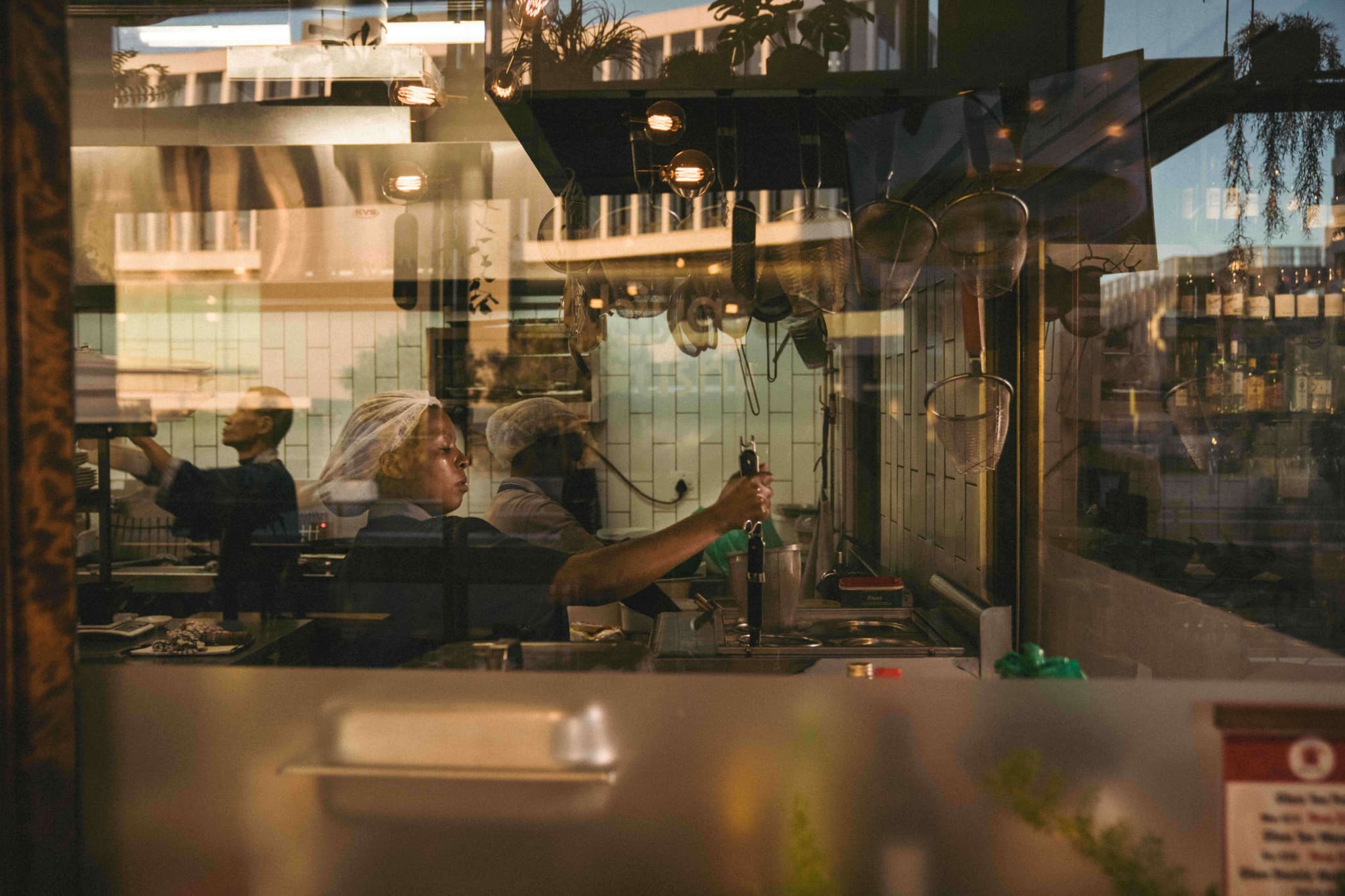
Cook Up Your Dream: How to Start a Restaurant in South Africa
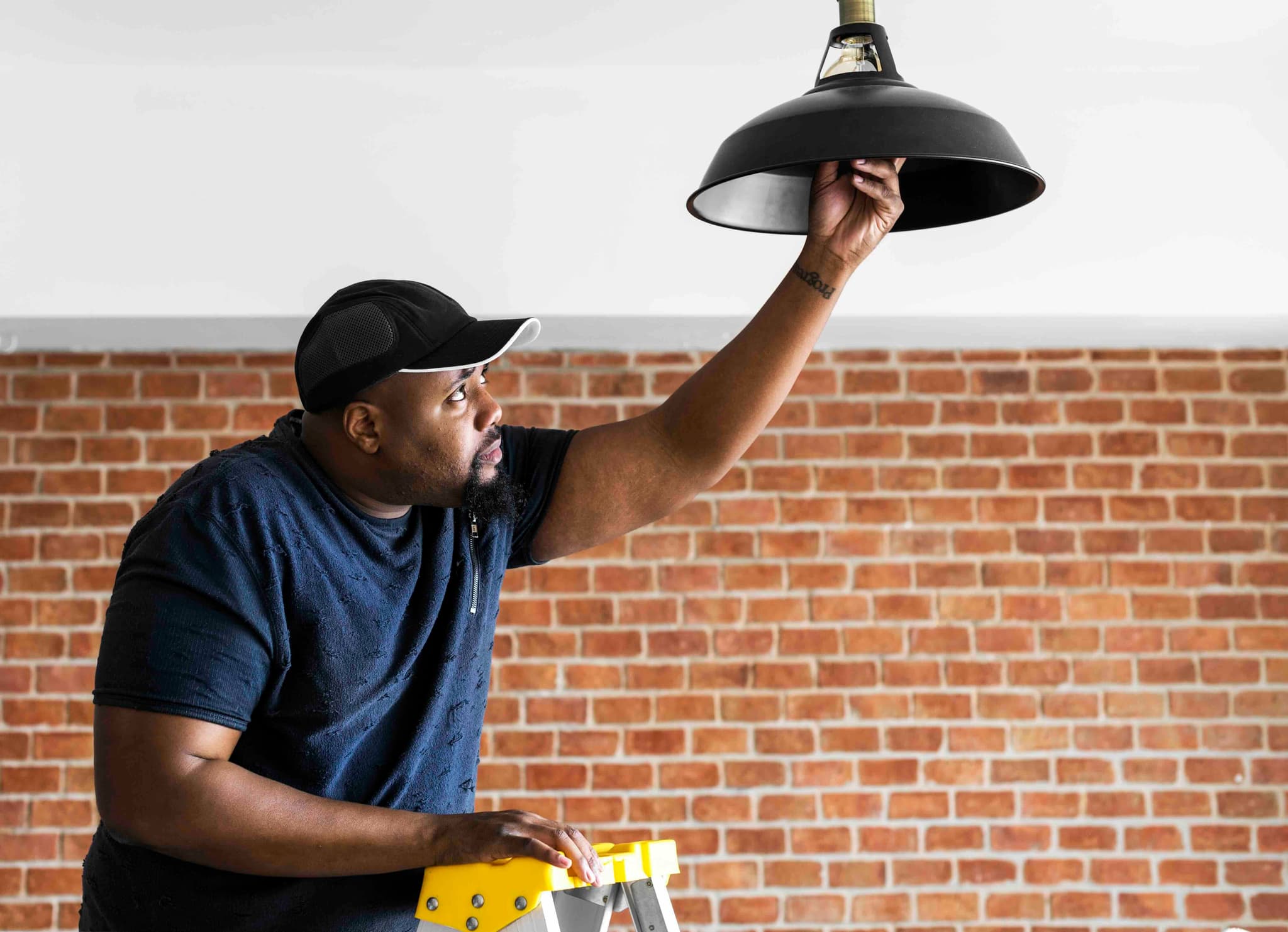
Power Up Your Profits: How to Grow a Small Electrical Business in South Africa
15 Business Ideas for Teens in South Africa to Start Today
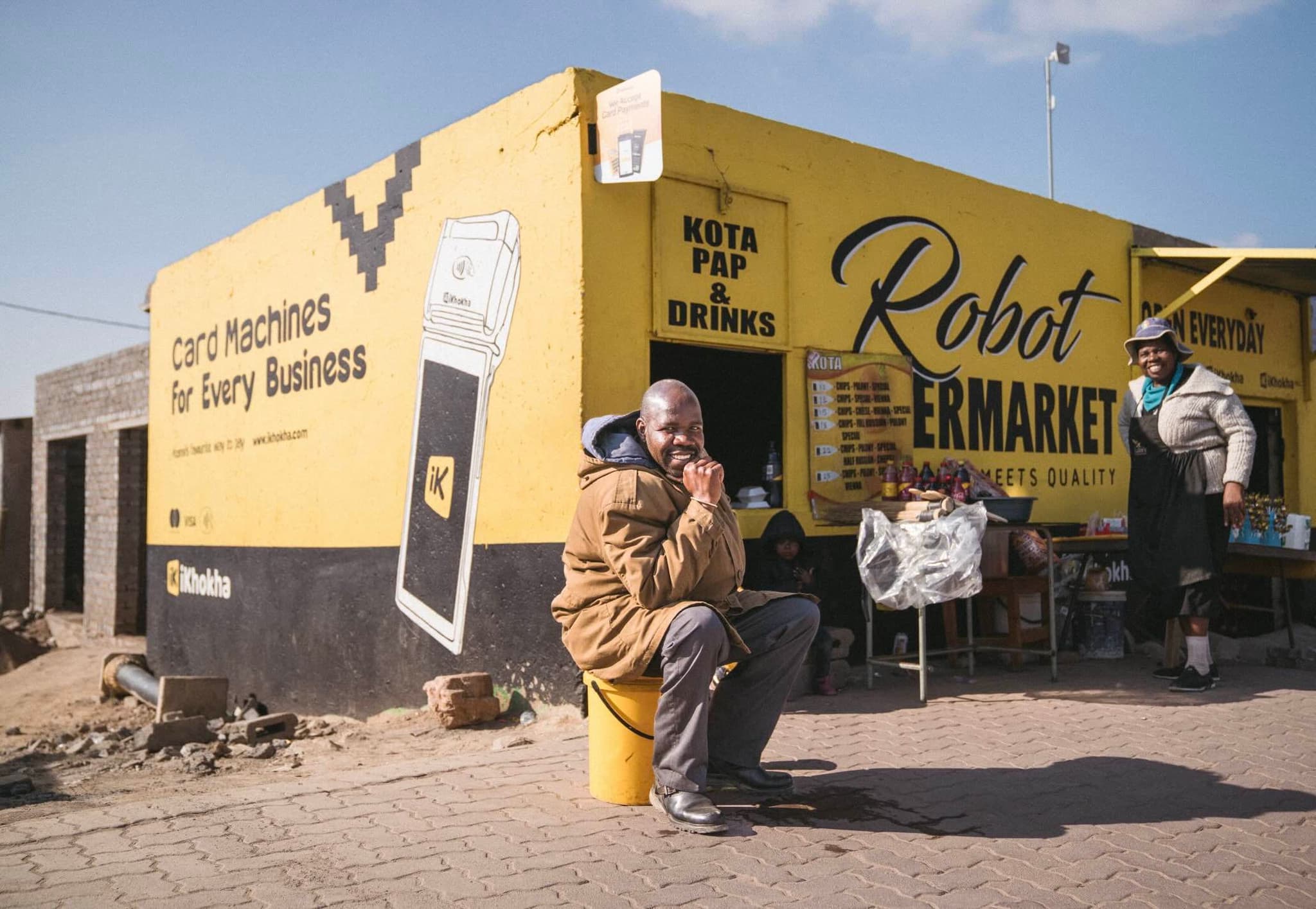
How to Register a Spaza Shop in South Africa
Brew Your Future: How to Start a Coffee Shop in South Africa
Back to Basics: How to Register as a Sole Proprietor in South Africa
Back to Basics: Where to Register a Company in South Africa