How to Start a Car Wash Business in South Africa
Learn how to start a car wash business in South Africa, from setup and costs to marketing and payments. Turn soap and buckets into a thriving hustle.
Table of Contents
- Introduction
- Why a car wash can work in South Africa
- Can you start a mobile car wash in South Africa?
- Do your market research first
- Choose your car wash model
- Car wash startup costs
- Mobile car wash equipment you may need
- Choose a spot customers can reach easily
- Kasi car wash design ideas
- Price your services properly
- People build your reputation
- Market your car wash locally
- Mojo’s: from buckets to a kasi landmark
- Make payments easy to manage
- Car wash checklist before you start
- Final thoughts
- FAQs about starting a car wash in South Africa
- How do I start a car wash in South Africa?
- How much does it cost to start a car wash in South Africa?
- What equipment do I need for a mobile car wash?
- Is a mobile car wash profitable?
- How do I design a kasi car wash?
- Where is the best place to open a car wash?
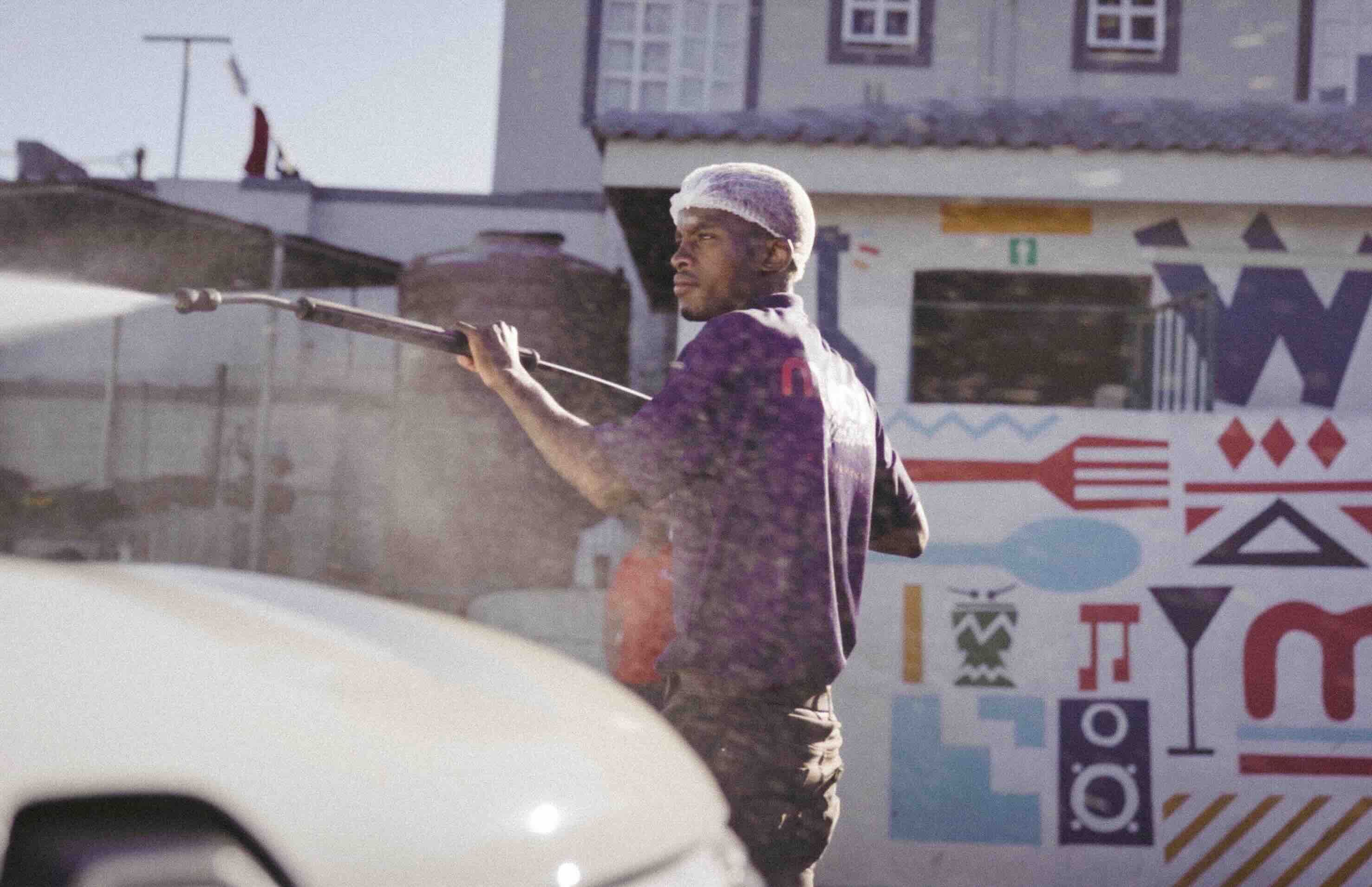
It’s a Saturday morning in Durban. The sun is already sharp, taxis are moving up and down the road, and a few cars are waiting outside the local car wash. Some drivers stay close by and chat while they wait. Others walk next door for food, knowing the car will be clean when they get back.
That’s why car washes work so well in South Africa. They’re useful, visible and part of everyday life. A clean car still matters to people, especially when they use it for work, family, church, school runs, long trips or weekend plans.
If you’re wondering how to start a car wash in South Africa, start with the basics. Choose the right model, understand your area, get the equipment you need, price your services properly and make it easy for customers to pay. You don’t need to build the biggest setup on day one. You need a setup that works, a service people trust and a reason for customers to come back.
Why a car wash can work in South Africa
Cars are everywhere, and they don’t stay clean for long. Dust, rain, muddy roads, coastal air, road trips and everyday driving all create regular demand. People may cut back on extras when money is tight, but many still want their cars to look clean and looked after.
A car wash can also fit different budgets. You can start small with a mobile car wash, test demand in your area, and grow from there. Or you can build a fixed site if you already have the right location, water access, space and foot traffic.
Waterless washes are another option, especially in areas where water use matters. They can work well if customers understand the service and trust the result.
The model you choose should match your budget, your area and the type of customer you want to serve. A car wash outside a busy shopping centre won’t run the same way as a mobile service that visits office parks or homes.
Can you start a mobile car wash in South Africa?
Yes, you can start a mobile car wash in South Africa if you have the right basic equipment, a reliable way to reach customers and a clear service area. Many people start mobile because it costs less than taking on a fixed site. It also lets you test demand before you commit to rent, staff or bigger infrastructure.
A mobile car wash works best when the service is simple at the beginning. Choose an area you can reach without wasting fuel. Offer a short menu of wash options. Make it clear how bookings work, what the customer needs to provide, and how long the wash will take.
People care about the final result, but they also care about reliability. Arriving late, forgetting equipment or changing the price on the day can damage trust quickly. Keep it simple until you know what customers ask for most.
Do your market research first
Before you spend money, spend a little time watching the area.
Look at where cars already stop. Petrol stations, office parks, taxi ranks, shopping centres, gyms, schools, churches, residential complexes and busy commuter roads can all show you where demand might sit.
Also look at what other car washes are doing. Are they busy on Saturdays? Do they offer interior cleaning, or only quick exterior washes? Are people waiting around with nothing to do, or are there food spots and shops nearby? Are customers mostly private car owners, taxi drivers, delivery drivers or business fleets?
That kind of research helps you spot gaps. Maybe your area needs a mobile wash for office workers. Maybe there’s space for a kasi car wash near a busy food spot. Maybe the demand is there, but the existing services are slow or inconsistent.
You don’t need a formal report. A notebook, a few honest observations and a rough cost check can already save you from a bad start.
Choose your car wash model
There are three common ways to run a car wash in South Africa.
A mobile car wash is usually the easiest model to test. You travel to customers and clean cars at homes, offices, complexes or business premises. It can cost less to start, but transport, water access, power and time management matter a lot.
A fixed-site car wash works best when you have a strong location. Customers come to you, which can help with volume. The downside is that rent, water, staff, signage and equipment costs can climb quickly.
A waterless car wash uses less water and can appeal to customers who care about water use, or areas where water access is not simple. You’ll need the right products and a clear explanation of how the service works.
Many business owners start mobile, build a customer base, then decide if a fixed site makes sense later. That’s often a safer route than jumping into rent before you know the numbers.
Car wash startup costs
Starting a mobile car wash in South Africa can cost around R5 000 to R15 000, depending on the equipment you already have and the services you want to offer.
A fixed-site car wash often starts from around R50 000 and can go much higher once you include rent, setup, signage, water access, drainage, staff, equipment and daily running costs.
A basic wash may have low product costs, but profit depends on more than soap and water. You need to think about labour, transport, rent, electricity, repairs, cleaning products, towels, fuel, payment fees and quiet days.
Start with the model you can manage properly. A lean mobile setup that gets five repeat customers a week is better than an expensive site that looks good but sits empty.
If you’re still comparing this against other affordable business routes, our guide to low-cost business ideas in South Africa may help you weigh up your options.
Mobile car wash equipment you may need
Your setup doesn’t need to be fancy to work. Customers care more about a clean car, a fair price and a reliable service than expensive-looking gear.
For a basic mobile car wash, you may need:
- Basic cleaning tools: buckets, sponges, microfibre cloths, drying towels, brushes and gloves.
- Cleaning products: car shampoo, tyre cleaner, glass cleaner, interior cleaner and waterless wash products.
- Mobile setup: pressure washer, portable water tank, vacuum, extension cords and a way to accept cashless payments.
You don’t need to buy every extra on day one. Start with the tools needed for your basic wash, then add extras like vacuuming, tyre shine, polish, waxing or upholstery cleaning once customers start asking for them.
Also think about how you’ll carry everything. A mobile setup needs to be easy to pack, move and clean after each job. If it takes too long to set up at every customer’s house, your day can disappear quickly.
Choose a spot customers can reach easily
For a fixed-site car wash, location can make or break the business. The best spots are where cars already stop or slow down. Shopping centres, petrol stations, taxi ranks, busy roads, office parks and residential areas can all work if the access is easy.
Customers like convenience. If someone can wash their car while shopping, eating, working or running errands, you’ve made their day easier.
Competition nearby isn’t always a bad sign. It can show that there is demand in the area. The difference comes down to service, speed, price, trust and the extras you offer.
For a mobile car wash, location still matters, just in a different way. You need to choose a service area that makes sense. If your bookings are too far apart, fuel and travel time will eat into your profit. A tight area is usually better than trying to serve everyone.
Kasi car wash design ideas
A kasi car wash doesn’t need to look expensive to work well, but the layout needs to make sense. Cars should be able to move in and out without blocking the road, staff need space to wash safely, and customers should know where to wait, pay and collect their cars.
A simple kasi car wash design can include:
- A clear entrance and exit
- One or two wash bays, depending on space
- Shade for staff and customers
- A small waiting area
- Visible prices
- Space for buckets, cloths and cleaning products
- A safe place for electrical equipment
- Drainage that doesn’t create problems for neighbours
- A payment point that is easy to spot
If your car wash is near a busy road, taxi route, spaza, salon, school or food spot, make the signage easy to read from a distance. People should understand what you offer before they have to ask.
The waiting area matters too. A bench, shade, music, food nearby or a small tuckshop setup can turn waiting time into part of the experience. That’s one reason car washes often work well in busy community spaces. People don’t only come for the wash. They come because it fits into their routine.
Price your services properly
Pricing can feel tricky at the start. Go too low and you may stay busy but still struggle to make money. Go too high without proving your value and customers may move on quickly.
Start by checking what other car washes in your area charge. Then work out your own costs: products, water, transport, labour, rent, equipment wear, payment fees and your time.
A simple starter menu could include:
- Basic exterior wash
- Exterior wash and dry
- Interior vacuum
- Wash, vacuum and tyre shine
- Full wash with interior wipe-down
- Add-ons like waxing, polish or upholstery cleaning
Keep the menu short at first. Too many options can slow you down and confuse customers. Once you know which services people ask for most, you can build stronger packages around them.
Extras can help a lot. Vacuuming, tyre shine, waxing and interior cleaning often add value without changing the whole setup. Just make sure the price covers the extra time and products.
People build your reputation
Machines and equipment help, but people build the business.
Customers remember how they were treated. They remember if staff were careful with their car. They remember if the wash was rushed, if money went missing from the cup holder, or if someone scratched the paint and pretended not to notice.
Train your team properly, even if it’s only one or two people at the beginning. Show them how to wash consistently, where to place customer belongings, how to speak to customers and how to handle complaints.
In South Africa, word of mouth moves fast. One good experience can bring someone back next week. One bad one can travel through a WhatsApp group before lunchtime.
Market your car wash locally
A well-run car wash can market itself over time, but people still need to know you exist.
Start with visible signage. Drivers should be able to see your name, prices and basic services from the road. If you’re mobile, use WhatsApp status, local Facebook groups, Instagram, TikTok and community groups to show before-and-after photos.
Short videos can work well. A dirty car becoming clean is simple, visual and satisfying. You don’t need fancy editing. Just make sure the car owner is comfortable with you filming.
Also think about partnerships. Taxi associations, delivery drivers, office parks, schools, salons, gyms and small businesses may need regular washing. Fleet or group bookings can help steady your income when walk-in customers are quiet.
If you’re already promoting your services online, our guide on how to market your business online can help you sharpen your next step.
Mojo’s: from buckets to a kasi landmark
One of the best examples of how far a car wash can go is Mojo’s Car Wash & Shisanyama in Durban. When it opened in 2005, it was known simply as Mojo’s Corner Car Wash. Back then, it was buckets, sponges and a whole lot of determination.
Over time, it grew into a kasi landmark where people wash their cars, enjoy shisanyama and spend time in the community.
Managing Director Zanele Khumalo says the vision was never only about money. The business was also built to create employment. That spirit still comes through in how the team works and how customers are treated.
Mojo’s is a good reminder that a car wash doesn’t have to stay small forever. Start with the basics, serve people well and build from there.
Make payments easy to manage
A car wash has a lot of moving parts. Customers arrive, staff are washing, cars are moving, and someone wants to pay quickly before leaving.
That’s where simple payments help. With iKhokha, you can accept card payments using a card machine or Tap on Phone, depending on how your setup works.
For a mobile car wash, Tap on Phone may be enough if you’re using a compatible Android or Huawei smartphone. A fixed site may suit a portable card machine like the iK Flyer Lite or iK Flyer especially if staff need to take payments near the wash bay.
The main thing is to make payment easy to track. When you know what came in by card and what came in as cash, the day is easier to manage.
Car wash checklist before you start
Before you launch, check the basics:
- Have you chosen a mobile, fixed-site or waterless model?
- Do you know who your first customers are likely to be?
- Have you checked other car washes in your area?
- Do you know your startup costs?
- Do you have the right equipment for your first service menu?
- Have you worked out your prices?
- Do you have a plan for water, power and drainage?
- Can customers find you easily?
- Can customers pay you easily?
- Do you have a way to track daily sales and costs?
You don’t need everything perfect before you start. You do need enough of a plan to avoid guessing with your money.
Final thoughts
Starting a car wash in South Africa doesn’t need to begin with a huge setup. A clear model, the right basic equipment, fair pricing and consistent service can take you further than people think.
A few buckets and cloths can get you started, but trust is what keeps customers coming back. Show up when you say you will. Clean the car properly. Make the price clear. Make payment simple.
From there, you can grow step by step.
FAQs about starting a car wash in South Africa
How do I start a car wash in South Africa?
Start by choosing your model: mobile, fixed-site or waterless. Research your area, check demand, price your services, buy the basic equipment and test with a small group of customers first. Once people are paying and coming back, you can invest in better equipment, staff and marketing.
How much does it cost to start a car wash in South Africa?
A mobile car wash can start from around R5 000 to R15 000, depending on what equipment you already have. A fixed-site car wash often starts from around R50 000 and can cost more once you include rent, setup, equipment, water access and staff.
What equipment do I need for a mobile car wash?
For a mobile car wash, you may need buckets, sponges, microfibre cloths, drying towels, car shampoo, tyre cleaner, glass cleaner, interior cleaner, a pressure washer or waterless wash products, a portable water tank, vacuum and a way to accept cashless payments.
Is a mobile car wash profitable?
A mobile car wash can be profitable if your service area is tight, your prices cover your costs and you build repeat customers. The risk is spending too much time and fuel travelling between jobs. Start with a small area and grow once the bookings are steady.
How do I design a kasi car wash?
A kasi car wash design should make it easy for cars to enter, get washed, pay and leave without blocking the road. Keep wash bays clear, show prices clearly, create shade if possible, keep equipment stored safely and make sure drainage doesn’t cause problems for neighbours.
Where is the best place to open a car wash?
Good locations include busy roads, petrol stations, shopping centres, taxi routes, office parks, gyms, schools and residential areas with regular traffic. The best place is where cars already stop and customers can leave their vehicle while doing something else.
Related Articles



Most recent articles
View all
How to Start a Recycling Business
Business Ideas for Beginners: Services That Solve Everyday Problems