How to Start an Online Business: The Smart and Simple Guide
It’s a brave new world, and you’re living in it! Are you wondering how to start a online business that is successful? We’ll show you how.
BY Sarah Heron
Table of Contents
- Introduction
- Choose an online business idea that sells
- Put a simple plan together
- Register your business
- Lock in your name, domain and social handles
- Choose where you’ll sell first
- Build your website or online store
- Sort out stock, sourcing and delivery
- Plan a simple launch
- Set up payments and start selling
- Take the next step with your business
If you’re wondering how to start an online business in South Africa, the answer is simple, but not always easy: pick the right idea, set up your basics properly, then start selling in a way you can repeat.
From Instagram boutiques to WhatsApp orders and full ecommerce stores, more South Africans are moving online because it’s cheaper than renting a shop and it’s easier to start small. You can run a real business from your kitchen table with a laptop, some data, and a plan you’ll actually stick to.
This guide walks you through the practical steps, from choosing your idea and putting a basic plan together, to registering, setting up your online store, sorting delivery, and making it easy for customers to pay you.
Choose an online business idea that sells
Most online businesses don’t fail because the website was ugly, they fail because the offer is unclear. Before you think about logos or a store, get specific about what you’re selling and who it’s for.
Start with demand that already exists. What do people in your area, your group chats, or your niche buy every month, not once a year? Then ask the practical question: can you supply it consistently, at a price that still leaves margin after delivery and fees?
If you’re still deciding, our online business ideas guide can help you pick something that fits South African buying habits, including options that don’t need loads of stock.
Put a simple plan together
You don’t need a 20-page business plan. You need one page that stops you from guessing.
Write down: what you sell, who buys it, how they’ll find you, what it costs you to deliver one order, and how much you need to charge to make it worth your time. If you’re selling products, include packaging and courier costs. If you’re selling a service, include the hours you can realistically deliver each week.
Also decide how you’ll market. A clothing brand can grow on Instagram and TikTok, a B2B service might do better on Google search and LinkedIn. This is where most people waste money, they post everywhere, but they don’t commit to one channel long enough to learn what works.
Register your business
You can start selling before you register, but if you want to grow without stress, registration matters. It helps with credibility, supplier accounts, funding, and separating your personal money from the business.
In South Africa, you register through CIPC. Many online businesses choose a Private Company (Pty) Ltd because it’s widely recognised and it separates your personal assets from the business. You’ll also want to get your SARS tax number sorted early, even if you’re still small, it saves you pain later when sales pick up.
If you’re still testing your idea, don’t overthink it. Just don’t build a “real” operation on top of a setup that can’t become official.
Lock in your name, domain and social handles
Before you print stickers or set up a logo, check the basics: is the name available on social, and can you get a domain that matches it? People should be able to find you in one search without landing on someone else’s page.
Keep the name easy to spell, easy to remember, and not too close to what already exists in your space. If you can, secure the .co.za version, and use the same handle across platforms so customers don’t get confused.
You don’t need to build the website immediately, but locking in the name early gives you breathing room while you finish your setup.
Choose where you’ll sell first
You don’t have to start with a full website. In South Africa, plenty of online businesses start on WhatsApp or Instagram, use a marketplace for traction, then move to a store once orders are consistent.
The question is control. Marketplaces can bring traffic quicker, but they come with rules and fees. Social selling is cheap and flexible, but it can get messy if orders live in DMs and you don’t have a proper process. A website gives you control and credibility, but you’ll need to drive your own traffic.
Choose the option you can run neatly for the next three months, then upgrade when the process is stable.
Build your website or online store
Your website or store only needs to do three things well: show what you sell, build trust fast, and make checkout easy. If any of those fail, people leave.
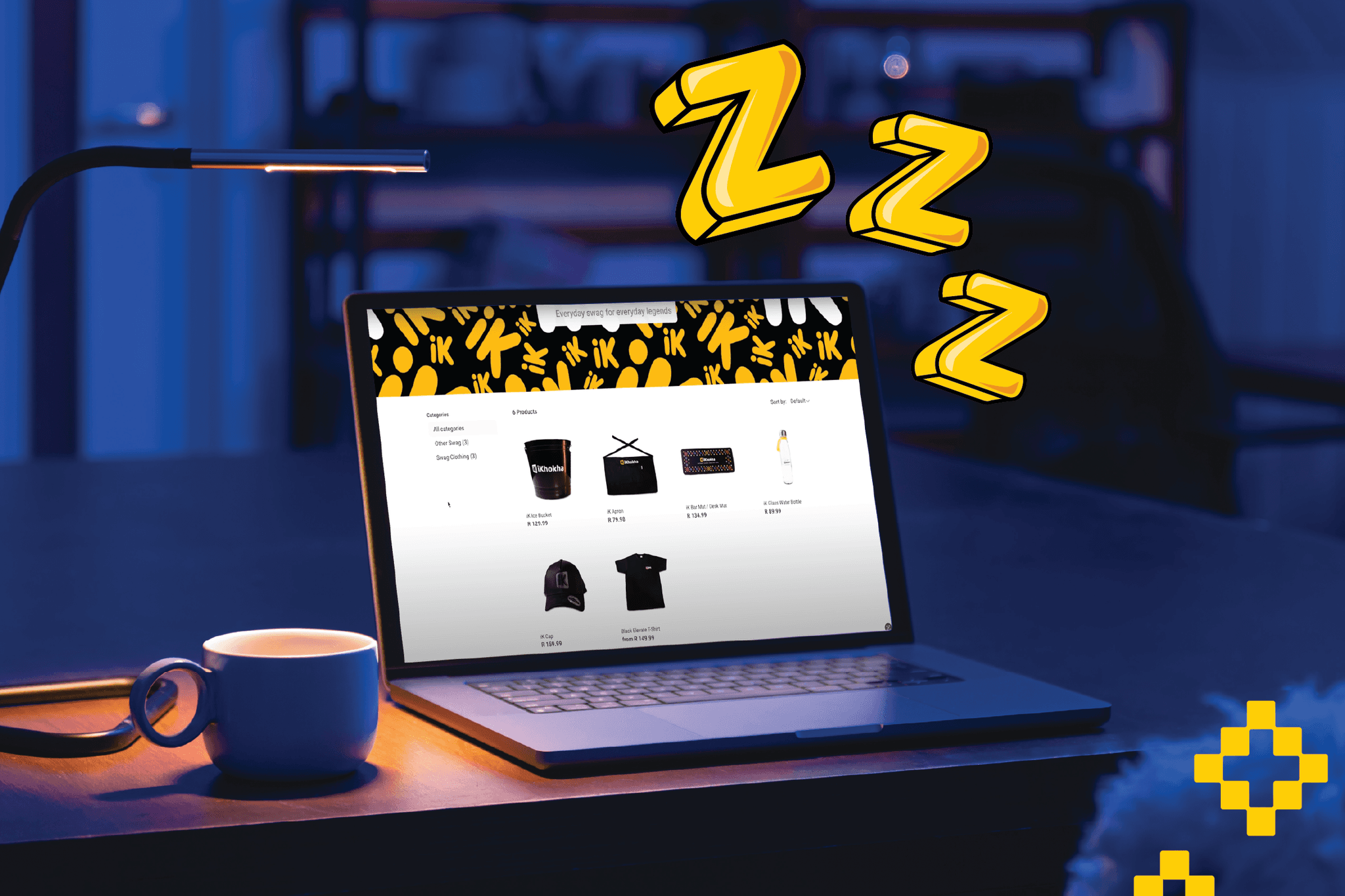
Start simple. Use a platform that lets you add products, set delivery rules, and take payments without a complicated build. If you’re going the quicker route, iK Webstore can get you selling without needing a developer.
Keep your pages clean, make sure the site works properly on mobile, and remove friction at checkout. In SA, most customers are buying on their phones, if your store is clunky, it costs you sales.
Sort out stock, sourcing and delivery
Delivery is where trust is won or lost. Late parcels, no tracking, damaged stock, or vague communication can kill repeat sales, even if your product is great.
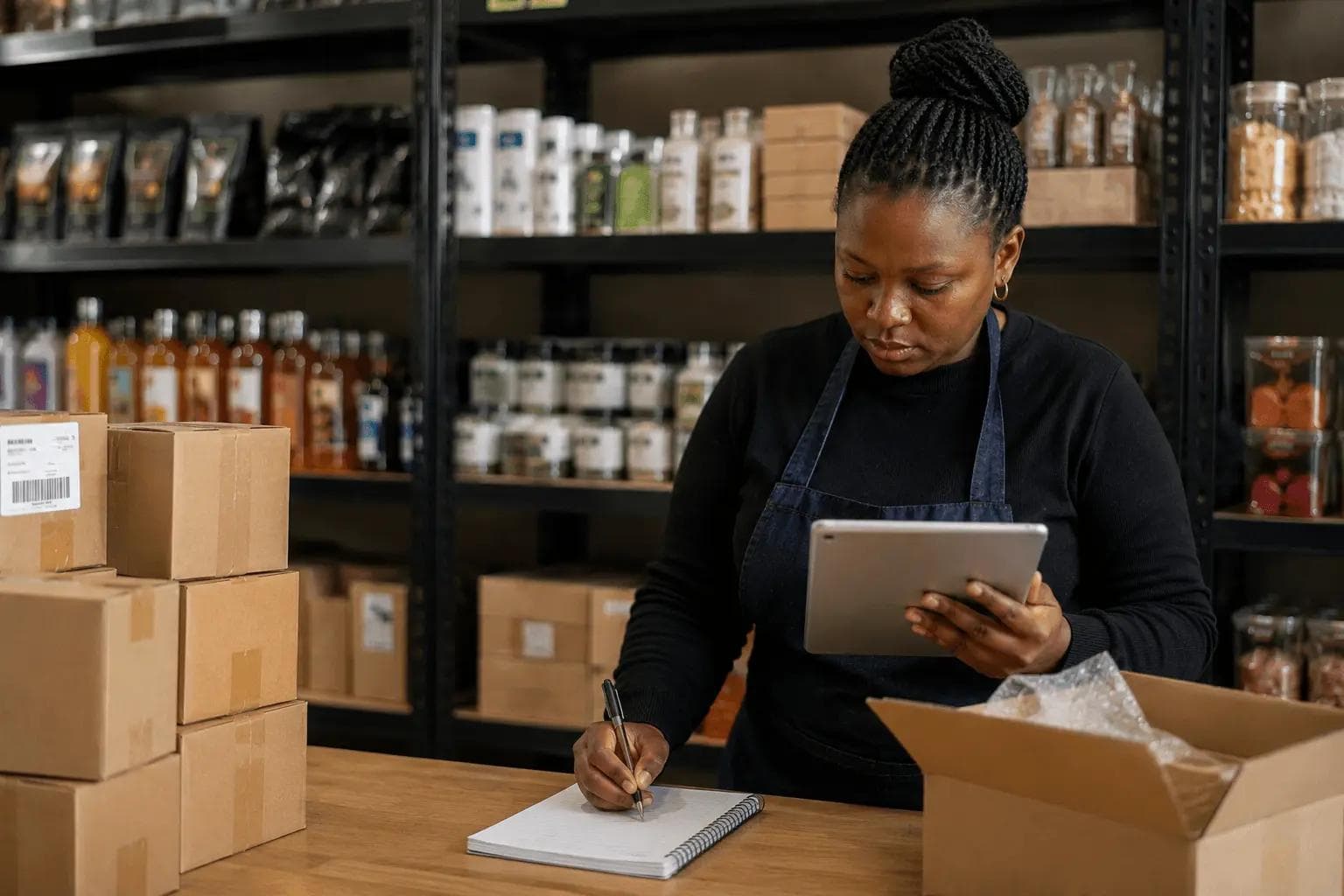
Decide early if you’re keeping stock or using a supplier. Dropshipping can work, but you carry the reputation risk if the supplier messes up. Keeping stock gives you control, but you’ll need storage space and a process for packing and dispatch.
Whatever you choose, test it like a customer. Do one trial order, check packaging, timing, and communication, then fix the weak points before you scale.
Plan a simple launch
Launching an online business isn’t just about clicking “publish” on your website and hoping people find you. If you don’t build a bit of excitement beforehand, chances are you’ll be met with silence on day one. The trick is to create buzz so that when you open your digital doors, people are already waiting to step inside.
Start by warming up your audience. Share sneak peeks on Instagram or Facebook. Post behind-the-scenes updates while you’re setting up your store. Even something simple like showing the first batch of stock arriving can make people feel part of the journey. If you can, build an email list and offer early sign-ups an exclusive discount or free delivery on their first order.
Don’t underestimate the power of your own circle. Tell friends, family and colleagues about your launch and encourage them to spread the word. In South Africa, personal referrals carry a lot of weight, people are far more likely to try a new brand if someone they trust recommends it.
If you’ve got a bit of budget, small ads on Facebook or Google can help you reach beyond your immediate network. But you don’t need to spend thousands. Even a few hundred rand, well targeted, can help you get your name in front of the right people.
The more hype you create before launch, the smoother your entry into the market will be. By the time you officially announce that you’re open for business, you want people excited to click through and see what you’re offering.
Set up payments and start selling
Payment should be the easiest part of your customer’s experience. If it’s confusing or slow, carts get abandoned.
If you’re selling through a website, set up a payment gateway so customers can pay by card at checkout. iK Pay Gateway is built for this, so payment feels seamless and professional.
If you’re selling through WhatsApp, Instagram, or email, iK Pay Link keeps it simple, send a secure link, customer pays on their phone, and you can move straight to fulfilment.
Set this up before you launch. Your first orders should feel smooth, not like you’re figuring things out mid-sale.
Turn your online business idea into a business
Take the next step with your business
Starting an online business doesn’t have to be complicated, but it does need to be thought through. If you’ve been wondering how to start an online business in South Africa, the real work is less about big ideas and more about putting simple systems in place that you can actually manage.
When you know what you’re selling, where customers will find you, how orders will work, how delivery will happen, and how people will pay, everything else becomes easier to figure out. You’re not guessing or reacting all the time, you’re running something that fits your life and your capacity.
Online businesses that last aren’t always the loudest or the fastest growing. They’re usually the ones built on clear decisions, steady execution, and a setup that makes sense for the person running it. Get those basics right, and you give yourself a much better chance of turning an online idea into something reliable, sustainable, and worth your time.