How to Start a Delivery Business in South Africa: From the Kasi, For the Kasi
Learn how to start a delivery business in South Africa, from choosing your delivery lane and service areas to pricing, getting customers, and safer ways to get paid.
Table of Contents
- Introduction
- Choosing what kind of delivery business you’re starting
- Your delivery area and zones
- Set yourself up properly
- Choose the right vehicle, and budget for the real costs
- Use simple tech to run smoother deliveries
- Price your deliveries so you don’t work for nothing
- Getting paid, and why cash can be risky
- Grocery delivery, courier work, and getting your first customers
- What separates the delivery businesses that last
South Africa’s delivery world is growing fast, but it doesn’t show up the same everywhere. In some places you can order groceries, takeaways, and medicine in minutes. In others, especially in township areas, delivery is still expensive, unreliable, or not available at all.
That gap is frustrating if you’re the customer, but it’s also a real business opportunity if you’re the person who knows the area. People still need basics like food and household essentials. Small businesses still need parcels dropped off, stock collected, and customers served on time. If you can deliver consistently, communicate clearly, and price your service in a way that makes sense, you can build something that grows properly.
This guide is for anyone searching how to start a delivery business in South Africa, and wants a practical way to do it without overcomplicating things. We’ll cover what to deliver, how to set up your service area, what you need to run deliveries smoothly, how to price your work, and how to get paid in a way that keeps you safer than carrying cash around. Along the way, you’ll also see how grocery delivery and courier work differ, so you can choose the path that fits you best.
If your goal is to start small, earn consistently, and build trust in your community, you’re in the right place.
Choosing what kind of delivery business you’re starting
One of the quickest ways to mess up a delivery business is trying to deliver everything to everyone from day one. It sounds like a good idea, but it usually turns into long days, messy routes, and customers who feel like they’re guessing when their order will arrive. It’s easier to start with one clear service, get that working properly, then expand once you’ve built a routine.
Start by deciding what you want to deliver most often, and who you want to serve.
If you’re thinking about food delivery, you’re playing a speed game. People care about warm food and fast delivery, and they usually order during predictable times like lunch, afternoons, and evenings. This works well if you’re based near takeaways, kota spots, plate-of-food sellers, or small restaurants that don’t have their own driver.
If grocery delivery is your lane, consistency matters more than speed. People want basics like bread, milk, maize meal, sugar, toiletries, and cleaning products to arrive on time, in good condition, with clear communication if something is out of stock. Grocery delivery also opens the door to working closely with spaza shops and wholesalers, which can become steady repeat business if you handle it well.
If you’re leaning toward courier deliveries, you’re delivering parcels, documents, returns, and small business stock. Here the big thing is reliability and proof, people want to know where their item is, when it was delivered, and who received it. This can be a solid lane if you build relationships with small online sellers, print shops, pharmacies, salons, repair businesses, and local suppliers.
You can also deliver pharmacy and essentials, like baby items, hygiene products, and chronic meds, but trust becomes the priority. Customers need to feel confident that their items will be handled properly, and you need clear rules about handovers, especially if someone else is collecting on their behalf.
A simple way to choose is to ask yourself two questions.
1. What can I deliver consistently with the vehicle and time I have
2. What does my community struggle to access quickly.
The best delivery businesses start by solving one clear problem, then they grow because people keep coming back.
Your delivery area and zones
A delivery business doesn’t fall apart because of competition, it falls apart because you promise too much and can’t keep up. So start with one area you know well, and make your delivery zone clear from the beginning.
Use landmarks people recognise, taxi ranks, malls, schools, clinics, shopping centres, main roads, then decide what’s “in” and what’s “out”. If you’re working in a kasi, think about safe handover points too, like a spaza, petrol station, or a well-lit corner, especially after dark.
Keep your rules simple. What times you deliver, how long it usually takes, and where you’ll meet if a street is hard to access. When customers know what to expect, they trust you more, and your day runs smoother.
Set yourself up properly
Even if you’re starting small, it helps to treat the business like a business from day one. Not in a fancy way, just in a way that keeps you organised when things get busy.
Start with the basics, a simple record of what you earn, what you spend, and which deliveries you’ve completed. It can be a notebook, a spreadsheet, or notes on your phone, the point is that you can look back and understand what’s happening with your money.
If you plan to work with spaza shops, takeaways, or local online sellers, being registered can make life easier later. Some businesses won’t partner without paperwork, and it’s also easier to open accounts, apply for funding, or keep business money separate from personal money when everything is under a proper business name.
You don’t have to do everything at once. The goal is to put a foundation in place that won’t trip you up when your customer list starts growing.
Choose the right vehicle, and budget for the real costs
Your vehicle is the engine of your delivery business, so it needs to match what you’re delivering and what your area is like.
A quick way to choose:
- Bicycle: short distances, light orders, low running costs
- Scooter: ideal for food delivery, quick, fuel-friendly, easy to park
- Car: better for groceries and parcels, more flexibility, higher running costs
- Bakkie: useful for bulk drops and business deliveries, only worth it if the work pays for it
Whatever you choose, plan beyond petrol. A lot of new delivery businesses underestimate maintenance, then they get stuck when the first big repair hits. Build a small “vehicle fund” into your pricing, because these costs are part of the job:
- tyres and punctures
- brakes and oil changes
- servicing and wear-and-tear
- unexpected repairs that take you off the road
Also think about safety and practicality. If you’re delivering in areas with potholes or heavy rain, your vehicle needs to handle it. If you deliver later in the day, have a plan for safer handovers and keep basics on you:
- a charged phone and power bank
- working lights or reflective gear
- a simple meet-up point option for customers
- a basic first-aid kit for emergencies
If you’re hiring a driver, keep expectations clear from the start, working hours, delivery rules, what happens when a customer isn’t available, and how payments will be handled. You don’t need heavy paperwork on day one, but you do need everyone operating the same way.
Use simple tech to run smoother deliveries
You don’t need a fancy app to run a delivery business, you just need a system you can repeat every day. The easier it is for customers to order, and the easier it is for you to track what’s happening, the faster you’ll build trust.
Most delivery businesses start with tools people already have on their phones. WhatsApp works well for orders and quick updates, especially if you use voice notes carefully and confirm the details in writing after. If you’re doing groceries, a simple Google Form can save you a lot of back-and-forth because customers can select items, add notes, and submit their address in one place. A spreadsheet, even a basic one, helps you track orders, payments, delivery times, and what’s been completed, so you don’t end the day guessing where the money went.
GPS is where things get easier. It’s not only about finding addresses, it helps you plan your day properly, especially if you’re running a business that operates on the move. You can group deliveries in the same area, avoid traffic hot spots, and cut down on wasted driving. In South Africa, where roadworks, school traffic, and load shedding can throw your day off, planning your routes saves fuel and keeps customers calmer because you can give more accurate delivery windows.
Customer updates matter too. People don’t always get upset because you’re late, they get upset because they don’t know what’s going on. A simple message like “I’m on my way, about 20 minutes” makes a big difference. If there’s a delay, say so early, not after the customer has already waited and started calling. Clear communication is one of the quickest ways to stand out, even if you’re still small.
Price your deliveries so you don’t work for nothing
Pricing is where many delivery businesses struggle, not because customers won’t pay, but because the price doesn’t cover the real cost of doing the job.
Your delivery fee needs to cover fuel, wear and tear, your time, and a little buffer for the days that don’t go smoothly. A simple structure works best, a base fee for your main zone, then an extra charge for longer distances or special requests. If you do grocery deliveries, it can also help to set a minimum basket size, so you’re not driving far for one item.
Keep it clear, and keep it consistent. When people understand your pricing, they trust you more, and you protect your own margins.
Getting paid, and why cash can be risky
Cash is still common in South Africa, especially for quick local deliveries, but it comes with real risks. Carrying cash can make a driver a target, and cash handovers can put you in uncomfortable situations, especially if you’re meeting someone for the first time, or delivering at night. It also creates admin problems, wrong change, missing notes, and the familiar “I’ll EFT you later” that turns into silence.
If you do accept cash, protect yourself with a few non-negotiables:
- avoid late-night cash deliveries where possible
- use safer meet-up points when an address feels risky
- don’t count cash in public, keep it discreet
- do regular cash drops, don’t carry the whole day’s takings
- confirm the amount before you arrive, so there’s no back-and-forth at the door
Cashless payments can make delivery simpler and safer, especially when you’re moving between neighbourhoods. Many delivery businesses use EFT or instant payments so the money is settled before the driver arrives.
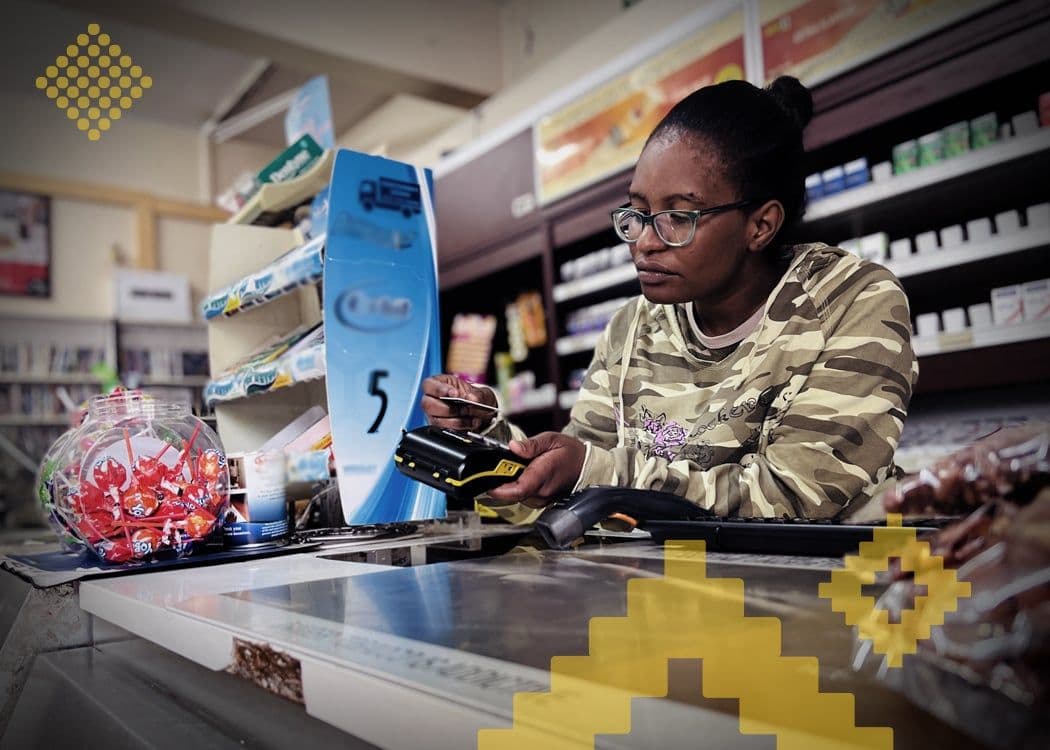
If you want to take card payments on delivery, there are also mobile options, either a small card machine, or tap-on-phone solutions that let you accept contactless payments using a compatible smartphone. The best choice is the one that fits your customers, your delivery areas, and how you handle handovers day to day.
Grocery delivery, courier work, and getting your first customers
If you want a delivery business that grows, it helps to pick a lane that matches real demand in your area, then build a system around it.
- Grocery delivery is often the easiest place to start because people buy essentials every week. Many delivery businesses begin by partnering with a local spaza shop, mini-market, or wholesaler, then acting as the link between the shop and the customer. Keep the product list simple at first, bread, milk, maize meal, sugar, eggs, toiletries, cleaning products, then expand once you know what customers order most. Have a clear substitution rule too, because stock runs out, and customers get frustrated when there’s confusion. A simple approach is to confirm replacements upfront, or agree that you’ll swap for the closest option in the same price range unless the customer says no.
- Courier deliveries can be steady if you build relationships with small businesses. Think local online sellers, print shops, salons, repair businesses, pharmacies, and suppliers who need drop-offs and collections. The big difference with courier work is proof, it protects you and reassures the client. A photo, a signature, or a WhatsApp confirmation is often enough when you’re starting out, as long as you do it consistently.
When it comes to finding customers, keep it local and practical. WhatsApp community groups, posters at spazas and takeaways, partnerships with businesses that already have customers, and simple referral rewards can take you further than expensive ads. Most people don’t need the cheapest delivery, they need the delivery they can trust, the one that answers, shows up, and communicates clearly.
If you’re ready to test the idea, don’t overthink it. Pick your lane, choose one delivery zone, write down your pricing, and run your first twenty deliveries like a proper trial. You’ll learn what customers actually want, what routes work best, and what needs tightening before you scale.
What separates the delivery businesses that last
Most delivery businesses don’t struggle because the idea is bad. They struggle because the day gets messy, and once the day is messy, customers stop trusting you.
The patterns are usually the same. The service area grows too fast, pricing doesn’t cover the real costs, and there are no clear rules, so every order turns into a negotiation. Add poor communication and missed deliveries, and people move on quickly, because customers don’t have time to chase a driver.
A few things are worth getting right early:
- keep your delivery zone tight until you can handle more
- price in a way that covers fuel, time, and maintenance
- set simple delivery rules, and stick to them
- communicate like a human, short updates beat silence
- don’t carry cash around without a safety plan, especially at night
If you want a practical next step, run a small trial before you “launch”. Choose one lane, one zone, and do your first twenty deliveries with the same process every time. You’ll see where your time gets wasted, what customers complain about, which routes work best, and what you need to tighten up before you grow.
That’s how delivery businesses last here, they start local, they become reliable, and then they expand because people recommend them.