
How to Market Your Business Online to Build Real Trust
Learn how to market your business online with practical tips for South African small businesses, from Google and social media to reviews, trust, and useful content.
Table of Contents
- Introduction
- Make sure your business looks clear and current
- Help people find you in the right places
- Use social media to show you are active
- Create content that answers customer questions
- Show proof that your business is trusted
- Make it easy for customers to take the next step
- Reach more people with paid ads
- Use email and WhatsApp to stay top-of-mind
- Checking what is working and improving over time
- Conclusion
When a customer hears about your business in South Africa today, the first thing they usually do is look you up on their phone. Whether they are looking for a plumber in Durban, a hair salon in Polokwane, or a bakery in Soweto, they want to see that you are active, real, and ready to help. If your pages haven't been updated since 2022, or if your contact details are missing, a potential customer might move on to someone else who looks more prepared.
Understanding how to market your business online isn't just about making sales or chasing likes; it is about proving that your business is open for stays and worth someone’s hard-earned Rands. In a market where trust is the most valuable currency, your digital presence acts as your proof of life. It tells the story of a business that is professional, reliable, and attentive to its customers' needs.
Make sure your business looks clear and current
Your digital presence is like your digital shopfront. If the windows are dusty and the "Open" sign is crooked, people won't come in. The first step in any small business marketing plan is a thorough audit of what already exists. Start by checking that your business name, physical address, and operating hours are the same across every platform you use.
If you have a business website or an online store, click through the links yourself to make sure they actually work, especially if you are trying to sell online in a more structured way rather than relying only on messages and manual orders. Check your "About Us" page - does it still reflect what you do today? A clean, updated profile tells a customer that you pay attention to detail. In contrast, an outdated page with an old phone number sends a signal that the business might be struggling or, worse, closed down.
Consistency is key here. If your Facebook page says you close at 5:00 PM but your Google profile says 4:30 PM, you are creating friction for the customer. Marketing is about removing those hurdles. Take the time to upload fresh, high-quality photos of your premises, your team, and your latest work. This shows that you are proud of what you do and that you are actively engaging with the world.
Help people find you in the right places
Most South Africans start their search on Google. This is why having a Google Business Profile is one of the most practical steps you can take for local SEO, especially if you want to show up better in Google search results when nearby customers are looking for what you offer. It helps your shop or service show up in search results and on Google Maps when people nearby are looking for what you offer.
You don't need a massive budget for digital marketing to be visible; you just need to be where people are looking. When your business pops up with a map location, a "Call" button, and a link to your website, it takes the guesswork out of finding you. This is especially important for service-based businesses like electricians or locksmiths, where the customer often needs help urgently.
Beyond Google, consider where else your customers might hang out. Are there local community directories or industry-specific sites? Being present in these spaces improves your search results and builds a web of links that lead back to you. The goal is to make the path from "I have a problem" to "This business can fix it" as short and smooth as possible.
Use social media to show you are active
Social media is often misunderstood as a place just for adverts. In reality, social media platforms are for building relationships. You don’t need to be on every single app. Pick one or two where your target audience spends their time - maybe Facebook for community groups or Instagram if your products are very visual.
The goal of social media marketing is to show that your business is active and current, which is why many small businesses still use social media to grow your business in a way that feels practical and visible day to day. Posting a photo of a new shipment, a happy customer, or a behind-the-scenes look at your work area helps build brand awareness. It shows that you are working today and ready for new orders.
Avoid the trap of only posting "hard sell" content. If every post is a price tag, people will eventually tune you out. Instead, share the human side of your business. Introduce your staff, show how you solve problems, and celebrate your milestones. This creates a sense of familiarity. When a customer finally walks into your shop or calls your number, they should feel like they already know you. This is how to market your business online in a way that feels natural and sustainable rather than forced and salesy.
Create content that answers customer questions
One of the most effective ways to build authority is to be genuinely helpful. Instead of just saying "Buy from me," use your posts or blog content to answer common questions. Think about the things your customers ask you every day.
- If you run a car repair shop, post a tip on how to check tyre pressure or when to change oil.
- If you sell clothes, show how to style one item in three different ways for different occasions.
- If you are a bookkeeper, explain the basic documents a small business needs for tax season.
When you provide helpful content, you stop being a stranger trying to sell something and start being an expert that people can rely on. This builds immense customer trust. People buy from people they trust, and sharing your knowledge is the quickest way to earn that trust. This type of marketing doesn't require a professional film crew; a simple video on your phone or a well-written post is often more relatable and effective than a polished corporate advert.
Show proof that your business is trusted
In South Africa, word-of-mouth has always been the strongest form of marketing. Online, this happens through customer reviews and testimonials. These are the trust signals that give a new customer the confidence to spend their money with you, because customer reviews can make a real difference to how trustworthy your business feels online.
Encourage your happy customers to leave a star rating or a short comment on Google or Facebook. A great way to do this is to simply ask them after a successful sale: "If you're happy with the service, would you mind leaving us a quick review online? It really helps our small business."
When potential customers see recent, positive feedback, it lowers their perceived risk. Don't be afraid of a few honest reviews; they make your business look more authentic than a perfectly polished (but empty) page. If you do get a negative review, respond to it calmly and professionally. Show that you care about fixing mistakes. This often impresses onlookers more than the original complaint bothered them, as it proves you are a real person who takes responsibility.
Make it easy for customers to take the next step
There is nothing more frustrating for a customer than wanting to buy something but not knowing how to start the process. Your online presence should always point toward a clear "next step."
Ensure your contact details are easy to find on every page. Many South African small businesses find success with WhatsApp marketing because it is direct, uses low data, and feels personal, especially when they need a simple way to get paid even when your customer is not in front of you. Include a "WhatsApp us" link on your profiles so people can ask questions quickly.
Whether it’s a "Book Now" button, a clear price list, or a simple contact form, the fewer steps a customer has to take, the better. If you have an online store, make sure the checkout process is fast and secure. If you are a service provider, tell them exactly what information you need from them to give a quote. By making the transition from "looking" to "buying" easy, you respect the customer's time and increase your chances of closing the deal.
Reach more people with paid ads
While organic growth is great, sometimes you need a bit of a boost to reach new people. This is where paid ads come in. The beauty of digital marketing today is that you don't need a huge budget to see results. You can start with a small amount - even R50 a day - to promote your best-performing posts to a specific target audience.
The key is to be specific. Instead of showing an ad to everyone in South Africa, show it only to people in your specific suburb or those who have shown an interest in your specific industry. This ensures your money isn't wasted. Paid ads are particularly useful for promoting a special offer, a new product launch, or an event. It helps get your business in front of potential customers who might not have found you otherwise, giving your online visibility a necessary spike.
Use email and WhatsApp to stay top-of-mind
Once you have attracted a customer, you want to make sure they come back. This is where email marketing and WhatsApp broadcasts become very useful. Collect the contact details of people who have bought from you (with their permission, of course) and send them occasional updates.
This isn't about spamming them every day. It’s about sending a monthly newsletter with helpful tips, a heads-up about a coming sale, or a "thank you" discount code. Staying in touch keeps your business in the back of their minds. When they need your service again, you are the first person they think of because they’ve seen your name regularly in a helpful, non-intrusive way. It reinforces the idea that you are a stable, reliable business that values its community.
Checking what is working and improving over time
You don't have to get everything right on the first day. Marketing is an ongoing process of trial and error. The best way to how to market your business online is to start small and see what your customers respond to.
Use the basic tools available to you. Check your Facebook insights to see which posts get the most comments. Look at your Google Business Profile stats to see how many people clicked the "Call" button last month. If people are engaging more with videos than photos, do more video. If everyone asks the same question on WhatsApp, create a post that answers it.
Don't feel pressured to follow every new trend. If a specific marketing channel isn't bringing in leads or building trust, it’s okay to step back from it and focus your energy elsewhere. The goal is to find a rhythm that works for you and your specific customers. Consistency over a long period is far more effective than a massive burst of activity that disappears after two weeks.
Conclusion
Marketing your business doesn't have to be a complicated or expensive mission. You don't need a degree in digital marketing to make an impact. At its heart, learning how to market your business online is about making sure that when a customer finds you, they see a business that is active, real, and ready to help.
By keeping your information current, being helpful through your content, and showing that other customers trust you, you build the confidence people need to choose you over the competition. Your online presence is a reflection of the hard work you put into your business every day. Make sure it tells a story that makes you proud. Start with the basics, stay consistent, and let your work speak for itself. In the end, the businesses that succeed online are the ones that remember there is a real person on the other side of the screen looking for a reason to trust them.
Keep showing up where your customers are. The more visible you are online, the more chances you have to sell.
FAQs: How to market your business online in South Africa
Related Articles


Most recent articles
View all
8 Common Stock Mistakes SMEs Make (And How to Fix Them)
Business Ideas in Rural Areas in South Africa

Holmes Brothers: From Garage Chaos to a South African Surf-Lifestyle Brand

5 Modern Business Ideas for Women in South Africa

Low-Risk Business Ideas That Bring Steady Work

12 Unique Business Ideas in South Africa for 2026

8 Money Management Tips for South African Small Business Owners

How to Open a Bar in South Africa: Your Complete Step-by-Step Guide

5 Business Management Must-Haves for an Investable Business

How to Start a Gardening Business in South Africa

5 Time Management Tips for Better Business Management

How to Start a Cleaning Business in South Africa
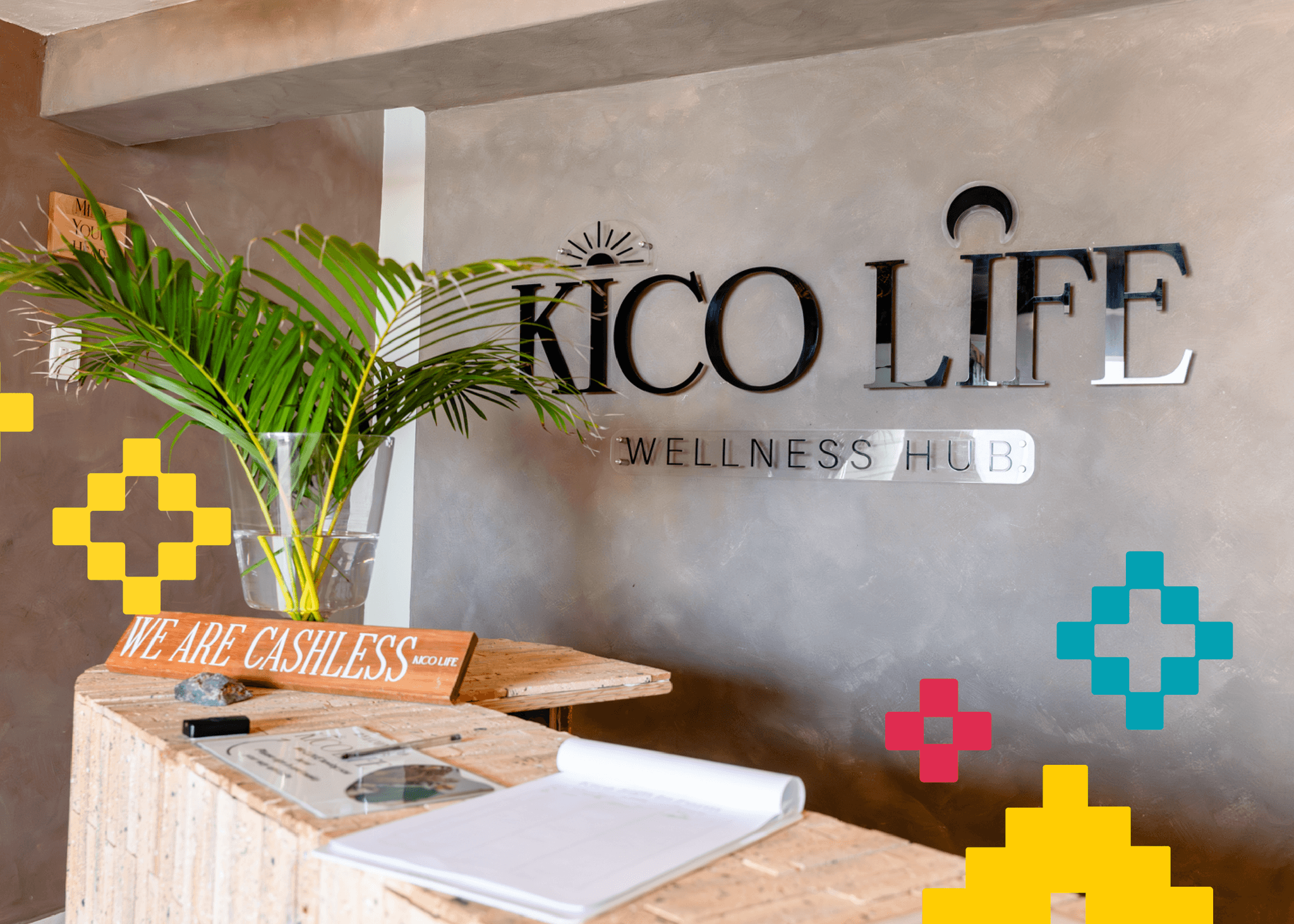
A different way to live: This is Kico Life

How to Launch an Online Store in Just 3 Steps

How to Start a Car Wash Business in South Africa

Making the Leap: The Website-Free Way to Sell Online

How to Start a Laundry Business in South Africa