Business Ideas in Rural Areas in South Africa
Looking for business ideas in rural areas in South Africa? Explore practical ways to earn by saving people trips to town, selling essentials in smaller packs, offering services, and getting paid simply.
Table of Contents
- Introduction
- Ways to earn by saving people a trip to town
- 1) Weekly delivery for basics people always need
- 2) Collect-and-return for repairs and paperwork
- 3) Useful pop-ups on days people are already out
- Ideas that match rural buying cycles
- Sell essentials in smaller packs
- Create school and work bundles
- Stock what people always replace
- Farming and food ideas that don’t need a big farm
- Eggs and chickens
- Seedlings, herbs, and seasonal vegetables
- Turning local produce into something people can use
- Services rural homes and farms always need
- Basic home repairs and maintenance
- Fencing, welding, and security fixes
- Gardening, land clearing, and outdoor work
- A simple way to make services easier to run
- Common rural challenges
- How to choose the right rural business idea for your area
- A quick note on getting paid, without making it complicated
Many people assume that business success only happens in the hustle and bustle of big cities. But the truth is, rural areas have their own rhythm - and their own opportunities. Where there are people, there are needs, and that’s where smart, simple businesses can thrive.
In many parts of rural South Africa, business works differently from the city. People plan their shopping trips carefully, travel costs affect what they buy, and spending often changes between paydays. That’s why the small business ideas in South Africa that last outside the metros are the ones meeting everyday needs in a simple, reliable way.
In this guide, we’ll share practical ideas grouped by what people need most - like food, household basics, repairs, and services - so you can choose what fits your area and start building a business that really serves your community.
Ways to earn by saving people a trip to town
In many rural areas, the real cost of buying something isn’t just the price - it’s the journey. Taxi fares, fuel, and the time it takes can turn a quick errand into a major outing. That’s why rural businesses often do well when they bring basics closer, or help households avoid unnecessary travel. If you want to build this properly, this guide on starting a delivery business in South Africa covers routes, pricing, and how to make it workable.
1) Weekly delivery for basics people always need
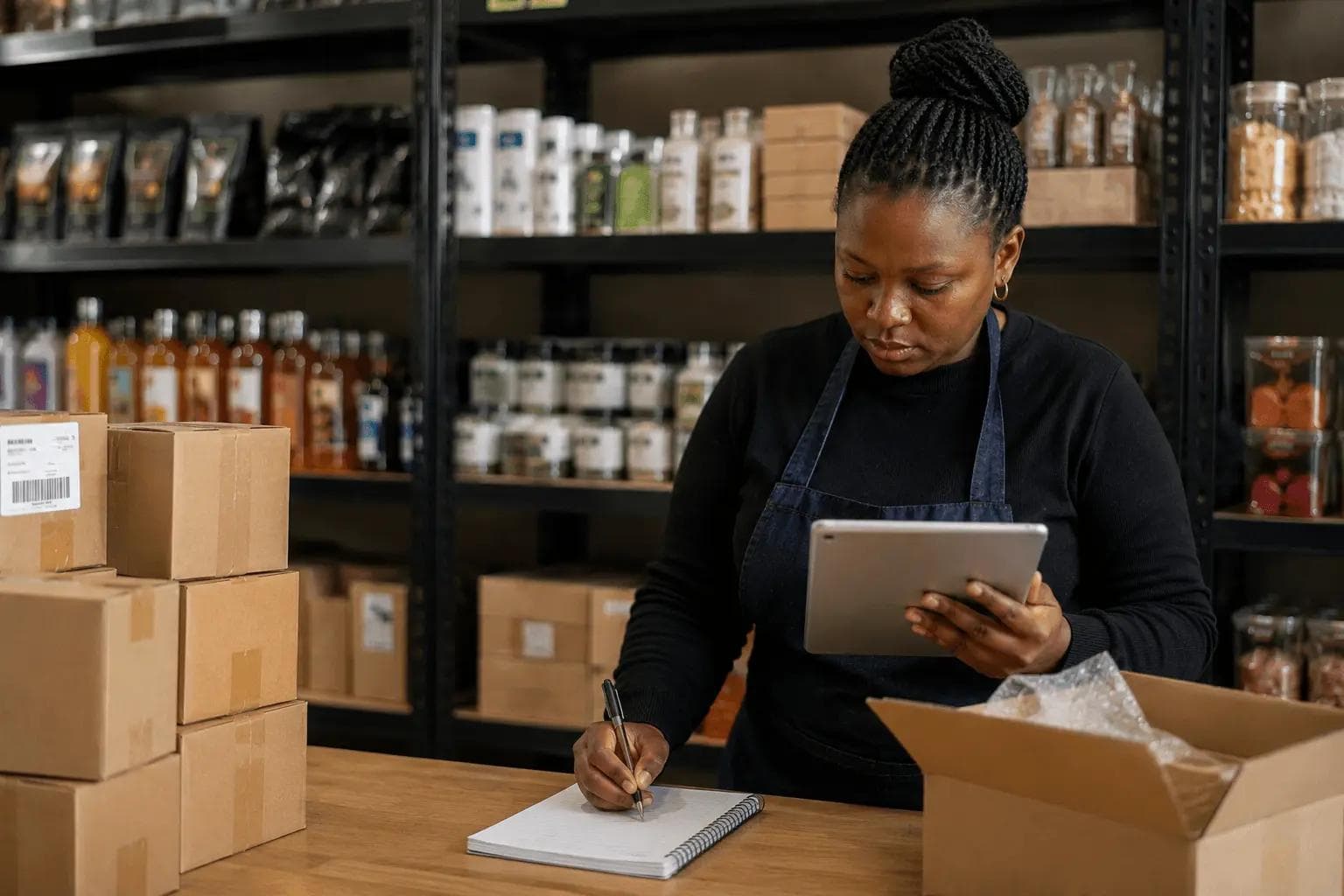
You don’t need to stock everything you’d find on supermarket shelves. Instead, focus on everyday items that households regularly run out of on a weekly or monthly basis. This could include maize meal, bread flour, sugar, washing powder, soap, nappies, cooking oil, and pet food. Start by taking orders from households in advance, doing one planned stock run, and delivering everything on the same day each week. This helps avoid repeated trips to town and makes it easier for you to manage costs and time.
To keep it predictable and easy to manage:
- Set a clear deadline for when customers must place orders by
- Keep your delivery days consistent so customers know what to expect
- Charge one simple, fixed delivery fee
If you don’t have transport, partner with someone who does. You can also start small by offering this to neighbours on your street before gradually expanding to nearby areas.
2) Collect-and-return for repairs and paperwork
Small jobs that need a trip into town are often put off. Travelling far for one small task doesn’t always feel worth it. A collect-and-return service can work well as a side income, especially if you’re already going into town.
You can help people by collecting and returning items like:
- Shoe repairs
- Sewing work such as alterations, school uniforms, zips, or hems
- Phone accessories and basic repairs (through a partner)
- Printing and copying for school and forms
You don’t need to do the technical or repair work yourself. What matters is trust and clear tracking, and using invoicing that’s easy to send and follow up helps when you’re handling other people’s items.
3) Useful pop-ups on days people are already out
When the community comes together - at clinic days, school events, sports matches, or SASSA payout days - it’s the perfect time to offer products or services. People are already out and nearby, so a small pop-up can reach them easily. And if you want to take card payments without extra setup, Tap on Phone lets customers tap and pay on your phone.
Keep it practical:
- Vetkoek, sandwiches, or a simple plate of food
- Cold drinks and small household basics
- Phone charging if there’s reliable power
- Help with forms and copies if you have a printer nearby
If your pop-up makes life a little easier, or saves time waiting in queues, people will pay for that convenience. These busy community days create natural opportunities - show up at the right place and time, and your business can thrive.
Ideas that match rural buying cycles
In many villages and small towns, people shop in planned cycles. They will often buy for the week or month when money and transport allow for it. For a business, this is an opportunity: if you match that rhythm and make essentials easy to get, people will come back again and again.
Sell essentials in smaller packs
Not everyone can afford the biggest size of everything or bulk packs. Smaller packs help customers manage their budget, especially in tight weeks. This works well for washing powder, rice, sugar, dishwashing liquid, cooking oil, and pet food. Keep it clean, neatly packed, and clearly labelled. A simple way to start is to choose 10–15 items and do them well. If you want a clearer system for what to stock and how to build repeat buying, this spaza shop guide is a useful reference, even if you’re not running a full spaza.
Create school and work bundles
School and work needs repeat throughout the year, often peaking at the start of term, exam season, or around sports events. Bundles make shopping easier because parents and caregivers don’t have to hunt for every item or travel to town multiple times.
You could bundle things like:
- Stationery basics (pens, pencils, ruler, glue)
- Socks and small school items that run out fast
- A simple “start of term” pack
If you don’t want to hold too much stock, you can even run on a pre-order system: take names and payments first, then place one order and deliver on a set day.
Stock what people always replace
Some products sell quietly but consistently. Think about what breaks, finishes, or gets replaced often in your area, like light bulbs, batteries, phone chargers, prepaid accessories, cleaning supplies, and basic toiletries. These items don’t need a big sales pitch, they just need to be available when someone needs them.
If you’re not sure where to start, spend some time listening to what people need. People will tell you what they can’t find nearby.
Farming and food ideas that don’t need a big farm
You don’t need hectares of land to make money from food in a rural area, and you also don’t need to be a “farmer” in the traditional sense. Food moves in rural areas, even during the tighter months, so the best approach is something you can supply properly, and that fits your space, your time, and your water situation.
Eggs and chickens
Eggs sell well because people buy them often, and you can sell different amounts - just a few eggs, half a tray, or a full tray. Try to keep your storage clean and supply steady - customers often lose trust when stock keeps running out.
Seedlings, herbs, and seasonal vegetables
Not everyone wants to buy full bags of vegetables from far away, and many households like growing a bit at home. Selling seedlings, herbs, or seasonal vegetables can work well if you keep it local and focus on what grows well in your area. This is also a good option if you have limited space, because seedlings and herbs can be grown in smaller sections.
Turning local produce into something people can use
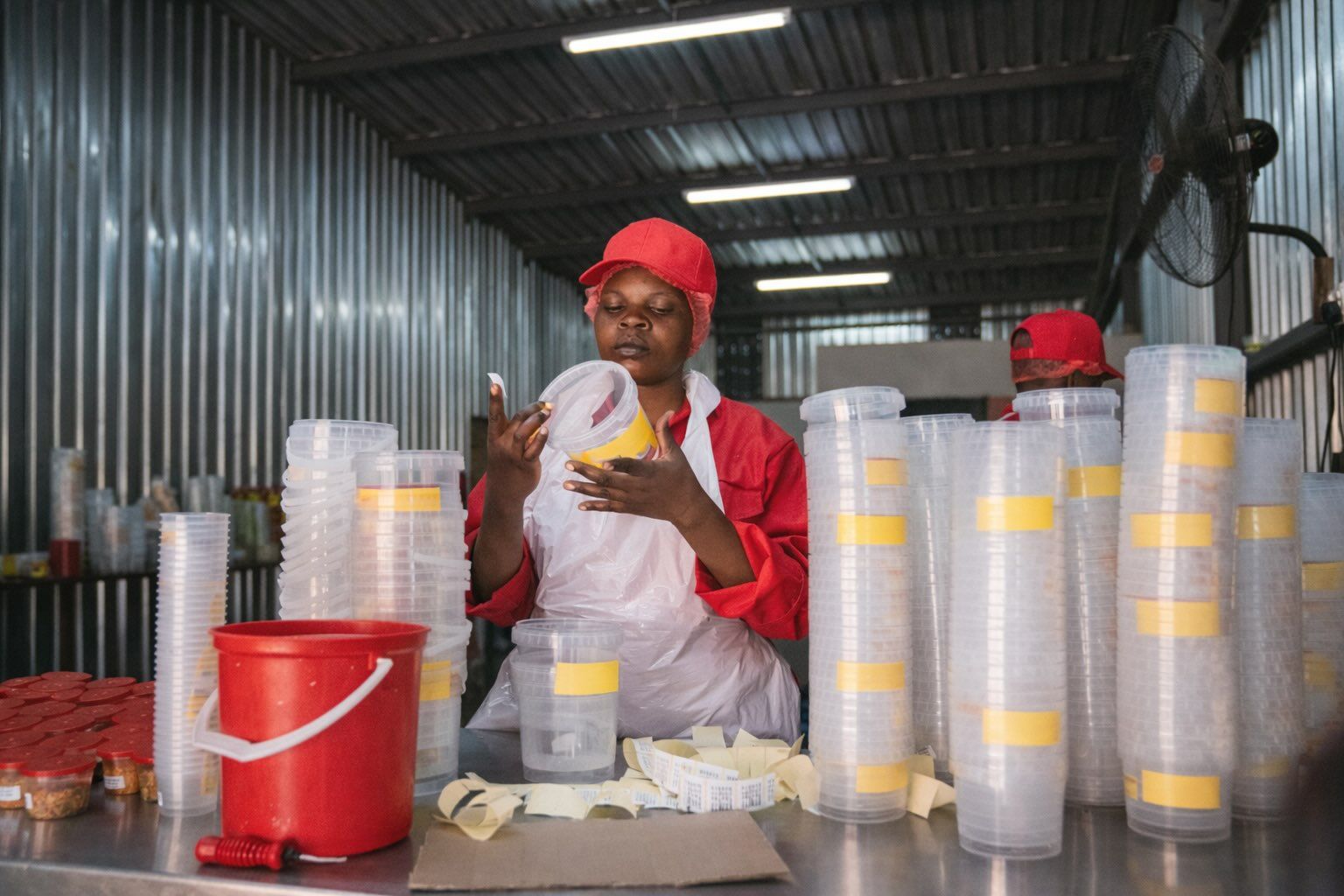
Rural areas can have an advantage here because fresh produce is often nearby. You can turn fresh produce into products that store well, like dried herbs, chilli mixes, or snack packs. Start with one product and keep it neat, consistent, and well packaged.
If you’re choosing between ideas, go with the one that matches what people already buy in your area, and what you can keep supplying reliably.
Services rural homes and farms always need
In rural areas, a lot of money is spent out of town for services like repairs and other small jobs. This isn’t because people want to travel to towns, but because there isn’t someone in the community that can offer these kinds of services. Consider spending some time refining some of the needed skills within your community - if you become the go-to person for these kinds of jobs, you can easily build a strong customer base.
Basic home repairs and maintenance
Many households need help with the small things that become big problems when they’re ignored - like leaking taps, broken door locks, loose hinges, cracked window panes, blocked drains, or a gate that no longer closes properly. If you’re handy, or you can learn the basics, this can be a strong service to offer. The trick is to be clear about what you do and what you don’t do, and to price in a way that covers your time, the materials required and your travel, especially if your customers aren’t right next door.
Fencing, welding, and security fixes
Fences take strain in rural areas - animals push through, storms pull things loose, and gates break over time. If you can weld, work with wire, or do basic gate repairs, there is usually demand, especially around paydays and before holidays when people want their homes and kraals secure. Even if you don’t have all the equipment, some work can be done with simple tools, and bigger jobs can be quoted for once you have the right support.
Gardening, land clearing, and outdoor work
People want their gardens to be manageable, safe for kids, and clean enough to host family gatherings. In farming areas, there’s also ongoing work like clearing overgrown sections, cutting grass, trimming trees, and removing rubble. If you offer this as a service, you can build your work around seasons (summer growth, winter clean-ups, and pre-holiday tidy-ups) and you can offer set prices for common jobs so customers know what to expect.
A simple way to make services easier to run
A simple organisation system makes a big difference. Make sure to write down the job, the date, the customer name, and the price. Also note what materials you need. If you do quotes, use the same format every time. This helps you avoid misunderstandings and keeps your work on track.
Common rural challenges
Rural business comes with its own set of challenges. If transport or cash flow is the biggest barrier, this guide on starting a business with no money in South Africa has practical ways to test demand before you spend.
Some challenges to consider:
Stock is far and transport costs are high: choose ideas that let you plan one trip and serve many people, like weekly deliveries, bulk repacking, or collect-and-return.
Spending changes during the month: essentials, smaller packs, and repeat-use items tend to sell better than luxury products.
Fewer walk-in customers: focus on repeat customers through services, repairs, and delivery. Word-of-mouth matters more than foot traffic.
Signal and electricity can be unreliable: keep your system simple. Don’t build the whole business around being online all day.
How to choose the right rural business idea for your area
With business ideas in rural areas, the “best” idea is usually the one that matches the ways that people already live and buy within the community. Before you commit to anything, take a simple look at what’s around you and notice the everyday patterns.
Start with these questions, and answer them honestly:
- What do people buy every week, no matter what? Think food basics, toiletries, school needs, and small household items.
- What do people travel to town for? Repairs, printing, building supplies, certain groceries, clinic-related errands, and banking are common ones.
- Where do people already gather? Taxi stops, schools, pay points, sports grounds, clinics, and busy corners can tell you a lot.
- What do you have access to? Space, water, electricity, transport, and time matter more than people like to admit.
- What can you do consistently? Not the biggest plan, the one you can actually keep up with every week.
A good way to test demand is to start with conversations, not stock. Ask five to ten people what they struggle to find nearby, and listen for any answers coming up again and again. You’ll usually hear the gap quickly.
A quick note on getting paid, without making it complicated
Once you start selling regularly, payments can get messy. Cash, EFTs, and “I’ll pay you later” can make running your business harder than it needs to be. Offering your customers the ability to pay by card helps you get paid as you provide the product or service.
That’s where iKhokha comes in when you’re ready. Our card machines and tools like iK Tap on Phone allow you to take in-person payments so that you don’t miss any opportunities. These tools also help you keep track of your sales so that you can keep clean records as you grow.