Why are Remote Payments the Future?
While cash has remained king for decades, remote payments are here to take us into the future and beyond. Here’s everything you need to know!
If we could get a glimpse into the future, we’d probably land in a world where technology shows up in every little moment, especially when it comes to paying. And honestly, that’s not a bad thing. Most new tech is built for one reason, to make life easier. Less waiting, less admin, fewer awkward steps, and more ways to get things done from wherever you are.
That shift is changing the payments industry fast. Customers are getting used to paying from their phones, paying before delivery, paying without standing in a queue, and paying without needing cash on them at all. For business owners, that’s not just “the future”, it’s an opportunity to get paid faster, reduce risk, and sell beyond one physical location.
What are Remote Payments?
Remote payments are exactly what they sound like, payments that happen when you and your customer aren’t in the same place. The customer can pay online or from their phone, and you can receive the money without anyone needing to handle cash or stand in front of a card machine.
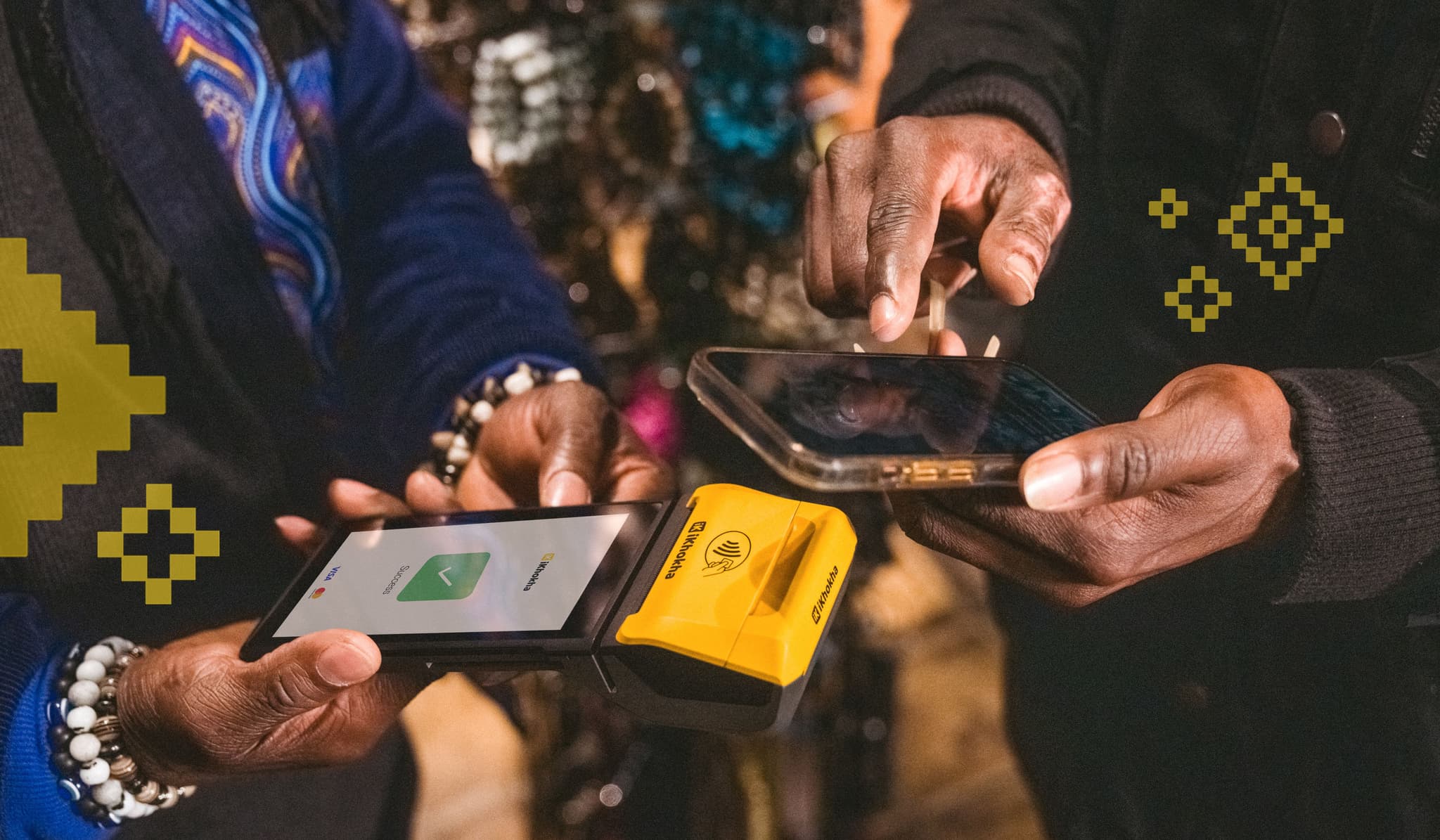
It’s easy to confuse remote with contactless, because they both feel modern, but they’re slightly different. Contactless is when the customer is with you and taps their card or phone in person. Remote is when the payment happens from a distance, through the internet or a mobile connection.
Over the last few years, more people have gotten comfortable with digital payments, not only because it’s convenient, but because it opens doors for more people to participate in the economy. Remote payments can also support financial inclusion, which is a win for customers, entrepreneurs, and the bigger picture too.
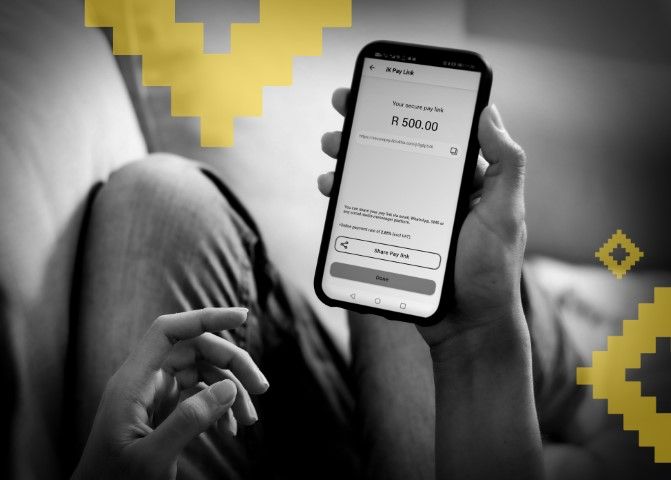
Some common remote payment methods include mobile wallets, payment links, virtual gift cards, in-app payments, and online checkout options.
The Benefits of Remote Payments
People love solutions that save time and effort. When life is busy, the last thing anyone wants is extra friction around paying. That’s why remote payments have become such a popular option, they’re quicker, simpler, and easier to fit into real life.
So what can you look forward to when you offer customers the option to pay remotely? Here are 4 advantages that make a real difference.
1. Transact on-the-go
When you offer remote payments, you give customers the freedom to pay from wherever they are, and at a time that suits them. And that matters, because people are busy. They’re working, running errands, fetching kids, dealing with traffic, and squeezing life into small windows.
Remote payments help you meet customers where they already are. Instead of waiting for them to “pop in when they have a moment”, you make it easy for them to pay now, confirm now, and move on. Add delivery to the mix, or pair it with an ecommerce setup, and you’ve just made your business easier to support.
2. Embrace cash-free payments
We’ve all heard “cash is king”, but more customers are choosing cash-free options because it feels safer and simpler. Not carrying cash lowers the risk of theft, and it removes the admin of counting, storing, and banking it.
Remote payments also come with security features that help protect transactions, things like two-factor authentication, OTPs, biometrics, and other checks depending on the method you use.
And then there’s the time factor. Cash-free payments can speed up the buying process for customers and make your day smoother too. Less friction, fewer delays, and fewer “I’ll EFT later” conversations.
3. Expand your offerings
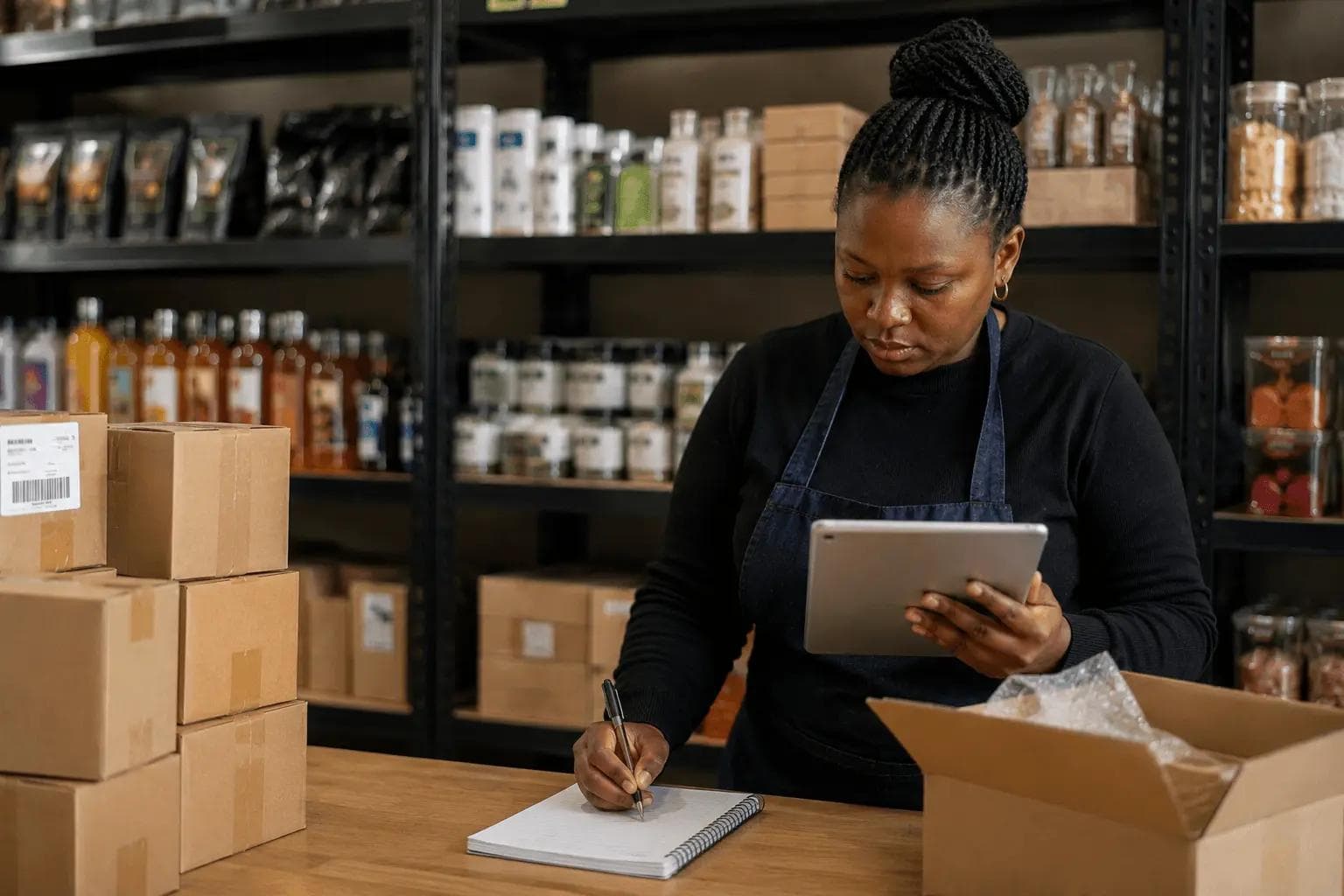
Remote payments can open up new ways to make money, because you’re no longer limited to customers who can physically get to you. Depending on what you sell, you could offer delivery, start an online store, run virtual sessions, take bookings online, or build a hybrid setup that gives customers more choice.
It also makes it easier to diversify without taking on big risk upfront. You can test a new offering, see what people actually buy, and adjust as you go. And because there are different payment options available, you can pick what fits the way your business runs, payment links for quick payments, online checkout for ecommerce, in-app payments, or even EFT for certain service setups.
4. Accept deposits before you start the job
Remote payments make it easier to take deposits upfront, which is a game changer for service-based businesses. A deposit can secure a booking, confirm commitment, and help you cover costs before you even start the job.
It also protects your time. The last thing you need is to block out an afternoon, do the work, and then struggle to get paid. Deposits have become a normal, practical way to lower the risk of non-payment and weed out anyone who isn’t serious
Get Ready for the Future of Payments
The remote payments boom is here to stay, because people want simpler systems that save time, reduce effort, and fit into everyday life. For customers, it’s convenience. For business owners, it’s opportunity, faster payments, less risk, and more ways to sell.
If you want to level up your business without making things complicated, start with one remote payment option that matches how you already work. Test it with a few customers, get comfortable, and build from there.