
25 Small Business Ideas to Start in South Africa (2026)
25 small business ideas to start in South Africa in 2026. For first-time owners, with real startup costs, local examples, and what actually works where you live.
BY Sarah Heron
Table of Contents
- Introduction
- Service businesses people pay for every week
- 1. Cleaning services
- 2. Laundry and ironing
- 3. Car wash
- 4. Gardening and yard work
- 5. Home organising
- Food and lifestyle business ideas
- 6. Spaza shop
- 7. Coffee cart or small café
- 8. Restaurant or takeaway
- 9. Meal prep
- 10. Floral business
- Beauty and wellness businesses
- 11. Hair braiding or salon services
- 12. Spa or treatment room
- 13. Nail technician
- 14. Barbering
- Business ideas you can run from home
- 15. Baking and snack packs
- 16. Sewing and alterations
- 17. Childcare
- 18. Tutoring
- Business ideas for specific groups
- 19. Tutoring for teens
- 20. Home-based beauty services for women
- 21. Daily-needs retail for township areas
- 22. Repair and service work for rural areas
- Online and digital business ideas
- 23. Social media management
- 24. Online store
- 25. Digital admin support
- How to choose the right business idea
This is for first-timers looking at business ideas in South Africa. People who want something they can actually picture themselves doing, paying for, and keeping going once the first bit of excitement wears off. If you are still deciding what kind of business makes sense for your budget, area, and skills, this is where to start.
A good business idea usually solves an obvious need, suits your budget, and fits the way people actually buy where you live. Across South Africa, that can look very different. What works in Durban North might not work in Mdantsane. A service that does well in Randburg might need a different offer in a smaller town or rural area.
If you want a simple way to start taking payments in 2026, Tap on Phone and Pay Link are practical options for first-time business owners.
Service businesses people pay for every week
1. Cleaning services
Cleaning is still one of the most practical small business ideas in South Africa because homes, guesthouses, and small offices need it regularly. In places like Randburg and Umhlanga, a lot of smaller offices use a solo cleaner a few times a week, usually through a referral or a WhatsApp message. Startup costs depend on whether you bring your own supplies or use what the client already has. The step from occasional work to actually running a cleaning business usually comes down to consistency, showing up on the day you said, and charging in a way clients can plan around.
2. Laundry and ironing
Busy households and student areas will pay for washing and ironing when they run out of time midweek, which is most of them. This is one of those businesses people understand straight away because the need is obvious. Your costs depend on transport, detergent, electricity, and whether you already have the equipment. Starting a laundry business properly means working out whether you collect, whether you deliver, and what your real electricity and water costs are before setting prices.
3. Car wash
A car wash can be simple, but only if you manage time and location properly. In many suburban areas, people will pay for a driveway wash because convenience matters more than fancy branding. A basic setup can start from around R1,500 to R3,000 if you already have water access and keep the service menu tight. For anyone thinking about starting a car wash, the biggest early decision is location, a fixed spot, a mobile round, or a driveway service, because it changes everything else about the business.
4. Gardening and yard work
Gardening suits people who do not mind physical work and can show up consistently. In many parts of Johannesburg and Pretoria, once someone finds a reliable gardener, they keep using the same person. Costs depend on whether you already own basic tools like a mower, trimmer, rake, and gloves. A gardening business usually grows through referrals rather than advertising, so the early months are about building three or four reliable weekly clients before adding more.
5. Home organising
Home organising works because people pay for help when their homes feel out of control after a move, a baby, or years of accumulated clutter. This works best when you sell a specific outcome, like a wardrobe reset or kitchen reorganisation, instead of vague “lifestyle help”. Costs are usually low unless you start buying storage solutions on behalf of clients. It suits someone organised, patient, and good at working in other people’s space.
Food and lifestyle business ideas
6. Spaza shop
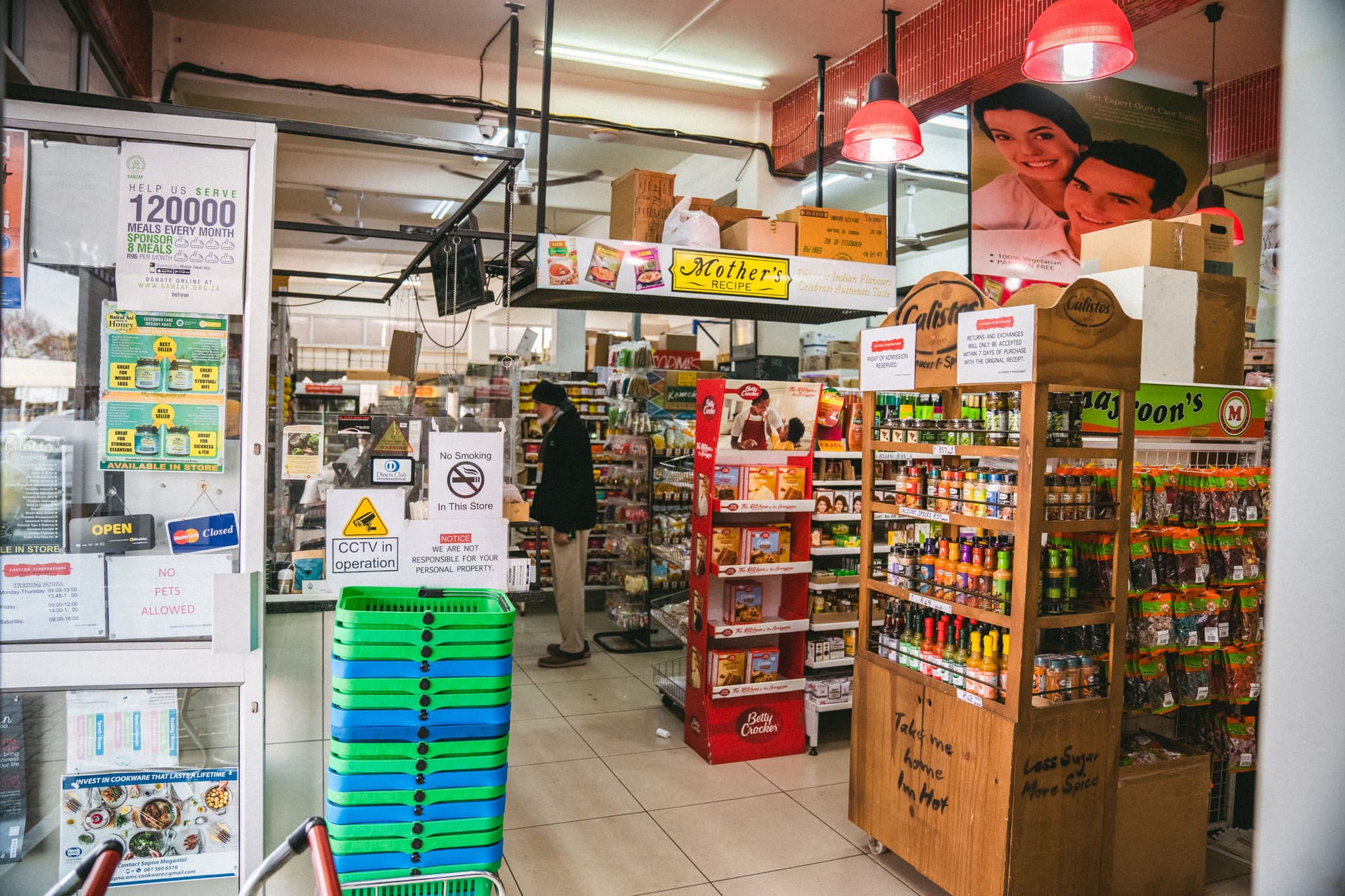
A spaza shop still makes sense where foot traffic is steady and you know what the area buys often. The mistake is trying to stock too much too early. Bread, cold drinks, airtime, snacks, and household basics usually move faster than random extras. Trade still accounts for the biggest share of informal businesses in South Africa, though services and other sectors have grown over time, according to Stats SA. Running a spaza shop well depends on knowing what your specific block buys regularly, which is usually different from what a shop two streets over sells.
7. Coffee cart or small café
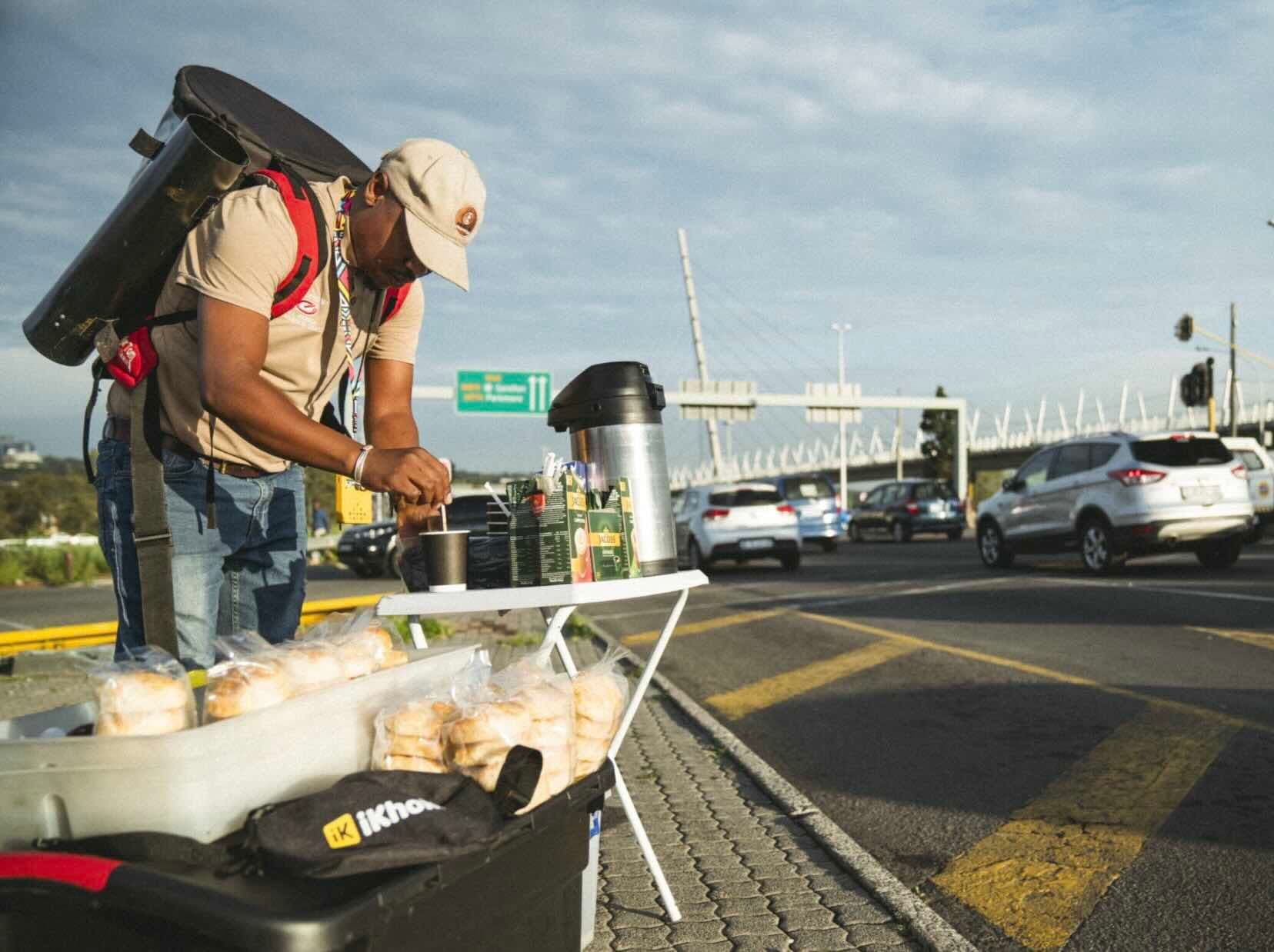
A coffee shop sounds attractive, but smaller formats are often easier to run at the start. A cart near offices, schools, or a busy roadside stop can make more sense than jumping straight into rent and a full menu. In Cape Town and parts of Durban, convenience and location often matter more than a long drink list. The jump to opening a coffee shop is a bigger one than most first-timers expect, which is why starting with a cart or a small format usually makes more sense.
8. Restaurant or takeaway
Food always has demand, but margins disappear quickly when the menu is too broad. A takeaway with two or three things done well usually has a better chance than trying to be everything at once. In many areas, repeat lunch orders matter more than weekend hype. Costs vary widely depending on equipment, permits, and location, so this is one to plan properly. Starting a restaurant is one of the harder first businesses because the planning, permits, equipment, and menu have to be right before you open, not figured out as you go.
9. Meal prep
Meal prep works for office workers, gym clients, and busy parents who usually want consistency more than variety. That is why meal prep tends to work better with a fixed weekly menu than a long list of options. Your costs usually go into ingredients, packaging, and delivery, not branding. It suits someone organised, reliable, and comfortable working to a schedule.
10. Floral business
Flowers can work for birthdays, funerals, weddings, and everyday gifting, but only if you understand spoilage and timing. In many towns, sympathy flowers and event work are steadier than trying to sell random bouquets every day. You do not need a full retail store to begin. Home-based arrangements and pre-orders are often enough. A florist business often begins at home with event orders and sympathy arrangements, then decides later whether a physical shop is worth the rent.
Beauty and wellness businesses
11. Hair braiding or salon services
Hair is one of the clearest examples of a business people come back to regularly when the work is good and the booking process is simple. In many communities, clients would rather travel to someone they trust than gamble on a cheaper option. South Africa’s professional beauty services market is projected to keep growing through 2030, with hair care the largest segment, according to Grand View Research. Building this properly into a salon business means deciding early whether you work from home, from a shared chair, or invest in your own space, because each option comes with different costs and client expectations.
12. Spa or treatment room
A spa idea only works if you are clear on the service. Facials, massages, nails, or waxing all have different equipment, compliance, and training demands. This is not one to bluff. People pay here for hygiene, calm, and consistency. It usually suits someone already trained or already working in beauty. Opening a spa involves real regulations and setup decisions depending on the treatments you offer, so the numbers need to make sense before you sign for a space.
13. Nail technician
Nail services work as a home-based or mobile business if you already have the skill and can build regular bookings. In places like Midrand and Centurion, many clients book through Instagram or WhatsApp, then stick with one technician once they trust the work. Costs depend on whether you offer basic manicures only or full acrylic and gel services. This suits someone patient, neat, and comfortable with repeat-client work.
14. Barbering
Men return to the barber who gets the cut right and keeps the wait reasonable. That is the business in one sentence. A home setup or shared chair can make sense before a full shop does. Startup spend depends on clippers, a chair, mirrors, sterilising products, and power backup if your area needs it.
Business ideas you can run from home
15. Baking and snack packs
This is one of the easier home-based business ideas in South Africa to picture because people already understand what they are buying. School snacks, office platters, birthday treats, and simple baked goods can work if the menu stays tight. Costs depend on ingredients, packaging, and whether you are baking to order or keeping stock. Baking to order keeps things manageable while you work out which items actually sell in your area.
16. Sewing and alterations
Sewing and alterations work because they solve an ordinary problem most people don't want to deal with themselves. Trouser hems, school uniform adjustments, zip replacements, and simple repairs tend to bring steadier work than trying to launch a fashion label immediately. In many neighbourhoods, people still ask around for “someone local who can sew properly”. Costs depend on whether you already own a machine and basic materials. It suits someone precise and patient.
17. Childcare
Childcare can work from home or as an after-school service, but it needs maturity and trust from the start. Parents are not looking for creativity first. They are looking for safety, punctuality, and a calm routine. In areas with long commutes, aftercare support can be more useful than full-day childcare. Costs depend on snacks, learning materials, safety setup, and any registration requirements that apply in your area.
18. Tutoring
Tutoring holds up because school pressure does not disappear. Maths, science, accounting, and English usually stay in demand, especially around exam time. You can start from home, travel to learners, or teach online. Costs are low if you already know the subject and can prepare basic worksheets. It suits someone patient who can explain things simply and keep a regular schedule.
Business ideas for specific groups
19. Tutoring for teens
For teenagers, tutoring younger learners is one of the more believable starting points because parents already understand the value. A Grade 11 learner helping with maths, reading, or homework support is easier to trust than a vague “teen entrepreneur” pitch. Costs are low if the sessions happen at home, online, or in the learner’s neighbourhood. There are other business ideas that work for teens if tutoring is not the right fit.
20. Home-based beauty services for women
Home-based beauty services work for women who already know how to do braiding, nails, makeup, facials, or simple grooming and want to build around existing skills. This works best when the service is clear, the pricing is easy to follow, and clients know how to book. In many areas, women find their beauty person through word of mouth long before they find them through ads. Other business ideas that suit women working around family life or an existing job are worth considering if beauty is not your thing.
21. Daily-needs retail for township areas
In township areas, the businesses that hold up are often the ones tied to everyday demand. Airtime, snacks, toiletries, lunches, cold drinks, and household basics usually move faster than anything novelty-based. This is why local convenience often beats polished branding. A fuller look at business ideas that work in kasi areas gives a better sense of what tends to hold up over time.
22. Repair and service work for rural areas
In rural areas, businesses often do better when they solve a practical access problem. That could be repairs, deliveries, tutoring, sewing, produce supply, or any service people would otherwise have to travel far to get. The real cost driver is often transport, not rent. Business ideas that work in rural areas usually follow the same logic: solve an access problem, plan around distance, and build repeat customers.
Online and digital business ideas
23. Social media management
Social media management works for small businesses that don't need a full marketing strategy but do need someone who can post consistently, answer messages, and keep the page looking active. In Durban and Johannesburg, these jobs still often start through a referral or WhatsApp conversation, not an agency-style proposal. If you already have the skill, this can be a practical way to earn extra money alongside a job or studies, similar to other ways to earn on the side.
24. Online store
Selling online is more realistic than it used to be, and going into 2026, online buying is even more normal for South African shoppers. Mastercard reported that South African online retail reached R96 billion in 2024 and continued growing strongly through 2025, according to Mastercard. That does not mean every online store will work, but it does mean online buying behaviour is more established than it was a few years ago. If this route appeals to you, there are other online business ideas worth comparing before you commit to stock or a platform. With iK Webstore and iK Pay Gateway, you can set up a practical payment flow without overcomplicating checkout.
25. Digital admin support
Digital admin support works because small businesses often need help with invoices, quote templates, WhatsApp catalogues, spreadsheets, and simple back-office tasks but don't need a full-time hire for any of it. It is not glamorous, which is often a good sign. Boring problems usually have real buyers. This is one of those ideas that works best when you are organised, quick, and good at small details. Setup costs are low unless you start buying tools you do not really need. It is also easier to test than product-based ideas if you already have a laptop and internet, and it fits well with other ideas you can try without much upfront spend.
How to choose the right business idea
The best small business ideas in South Africa are not always the flashiest. They are usually the ones that fit your area, your budget, and the way people already spend money around you. A cleaner in Randburg, a braider in Umlazi, a delivery runner in Polokwane, and a tutor in East London are all solving different problems, but the logic is the same. People pay when the service is useful, consistent, and easy to trust.
If your starting budget is tight, it helps to compare ideas with lower upfront costs. If you are working with a very specific amount, there are also businesses you can test with around R1000. If you are still sorting out the admin side, our full guide to getting started and the breakdown of what registration involves will help with the next step.
Once you know what you want to run, make it easy for people to pay you. With Tap on Phone, Pay Link, iK Flyer Lite, or iK Flyer, you can set up payment acceptance in a way that suits how you actually trade. And when you’re ready, sign up for a free iKhokha profile and get everything in one place.
Related Articles




Most recent articles
View all
How to Start a Recycling Business
Business Ideas for Beginners: Services That Solve Everyday Problems
8 Common Stock Mistakes SMEs Make (And How to Fix Them)
Business Ideas in Rural Areas in South Africa

Holmes Brothers: From Garage Chaos to a South African Surf-Lifestyle Brand
5 Modern Business Ideas for Women in South Africa

25 Small Business Ideas to Start in South Africa (2026)

Low-Risk Business Ideas That Bring Steady Work

12 Unique Business Ideas in South Africa for 2026

8 Money Management Tips for South African Small Business Owners

How to Open a Bar in South Africa: Your Complete Step-by-Step Guide

5 Business Management Must-Haves for an Investable Business

How to Start a Gardening Business in South Africa

5 Time Management Tips for Better Business Management

How to Start a Cleaning Business in South Africa
A different way to live: This is Kico Life

How to Launch an Online Store in Just 3 Steps